Most ebook files are in PDF format, so you can easily read them using various software such as Foxit Reader or directly on the Google Chrome browser.
Some ebook files are released by publishers in other formats such as .awz, .mobi, .epub, .fb2, etc. You may need to install specific software to read these formats on mobile/PC, such as Calibre.
Please read the tutorial at this link: https://ebookbell.com/faq
We offer FREE conversion to the popular formats you request; however, this may take some time. Therefore, right after payment, please email us, and we will try to provide the service as quickly as possible.
For some exceptional file formats or broken links (if any), please refrain from opening any disputes. Instead, email us first, and we will try to assist within a maximum of 6 hours.
EbookBell Team
5.0
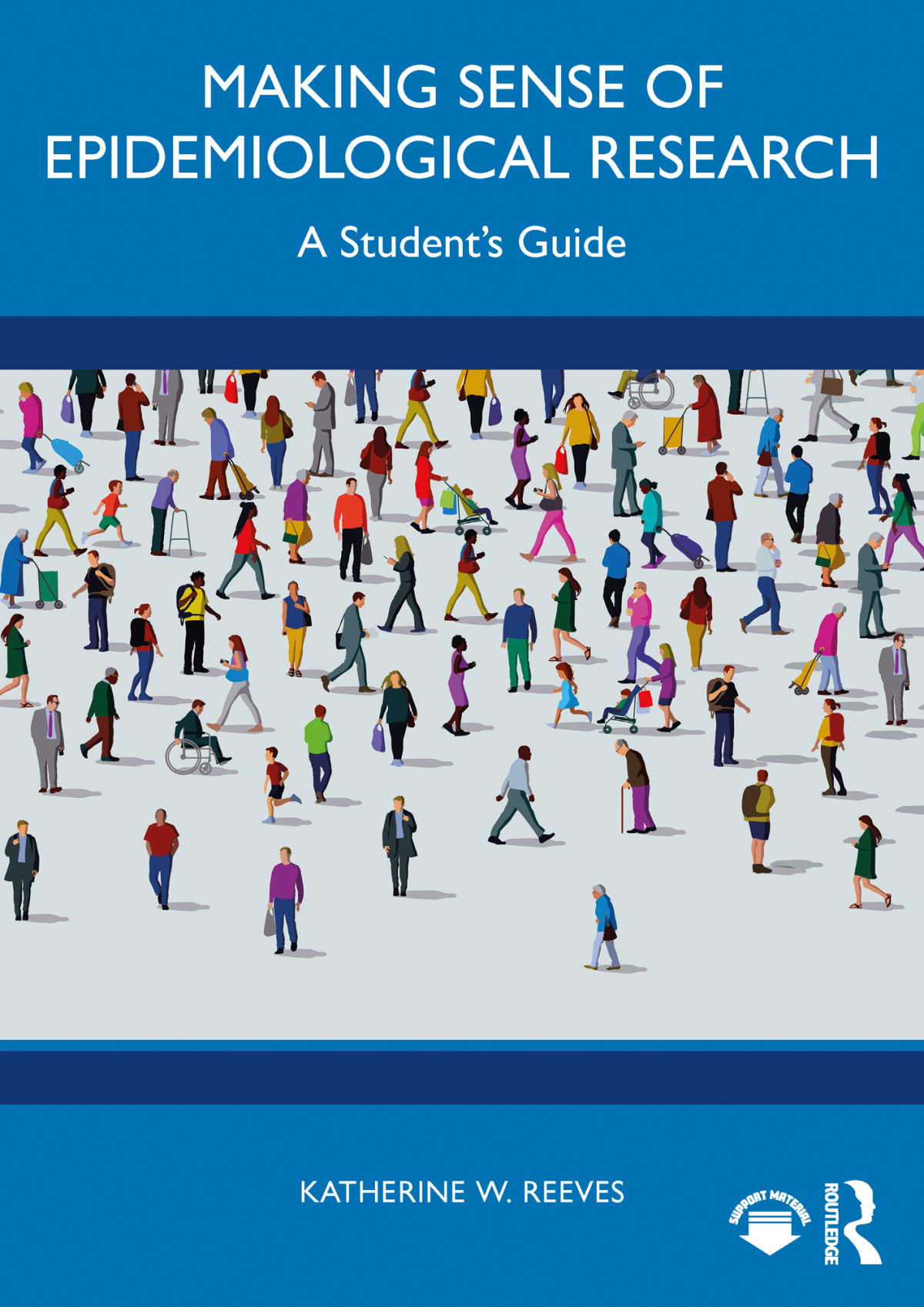
30 reviewsThe book offers a step-by-step process, beginning with how to find epidemiologic studies on a given topic. It then shows readers how to identify and assess the key features of a study’s design, the methods of data collection and analysis, the conclusions that can be drawn, and finally the questions that remain. Including a chapter exploring the misuse of artificial intelligence, this complete companion shows students not only how to evaluate individual studies but also to synthesize findings across multiple studies on a single topic, as well as guidance on writing a critique of a given article.
Written by an experienced instructor with over 15 years of experience teaching, and including activities so that readers can practice the skills they learn, this will be essential reading for any student of epidemiology, public health, and medicine.