logo

EbookBell.com

Most ebook files are in PDF format, so you can easily read them using various software such as Foxit Reader or directly on the Google Chrome browser.
Some ebook files are released by publishers in other formats such as .awz, .mobi, .epub, .fb2, etc. You may need to install specific software to read these formats on mobile/PC, such as Calibre.

Please read the tutorial at this link:  https://ebookbell.com/faq 


We offer FREE conversion to the popular formats you request; however, this may take some time. Therefore, right after payment, please email us, and we will try to provide the service as quickly as possible.


For some exceptional file formats or broken links (if any), please refrain from opening any disputes. Instead, email us first, and we will try to assist within a maximum of 6 hours.

EbookBell Team
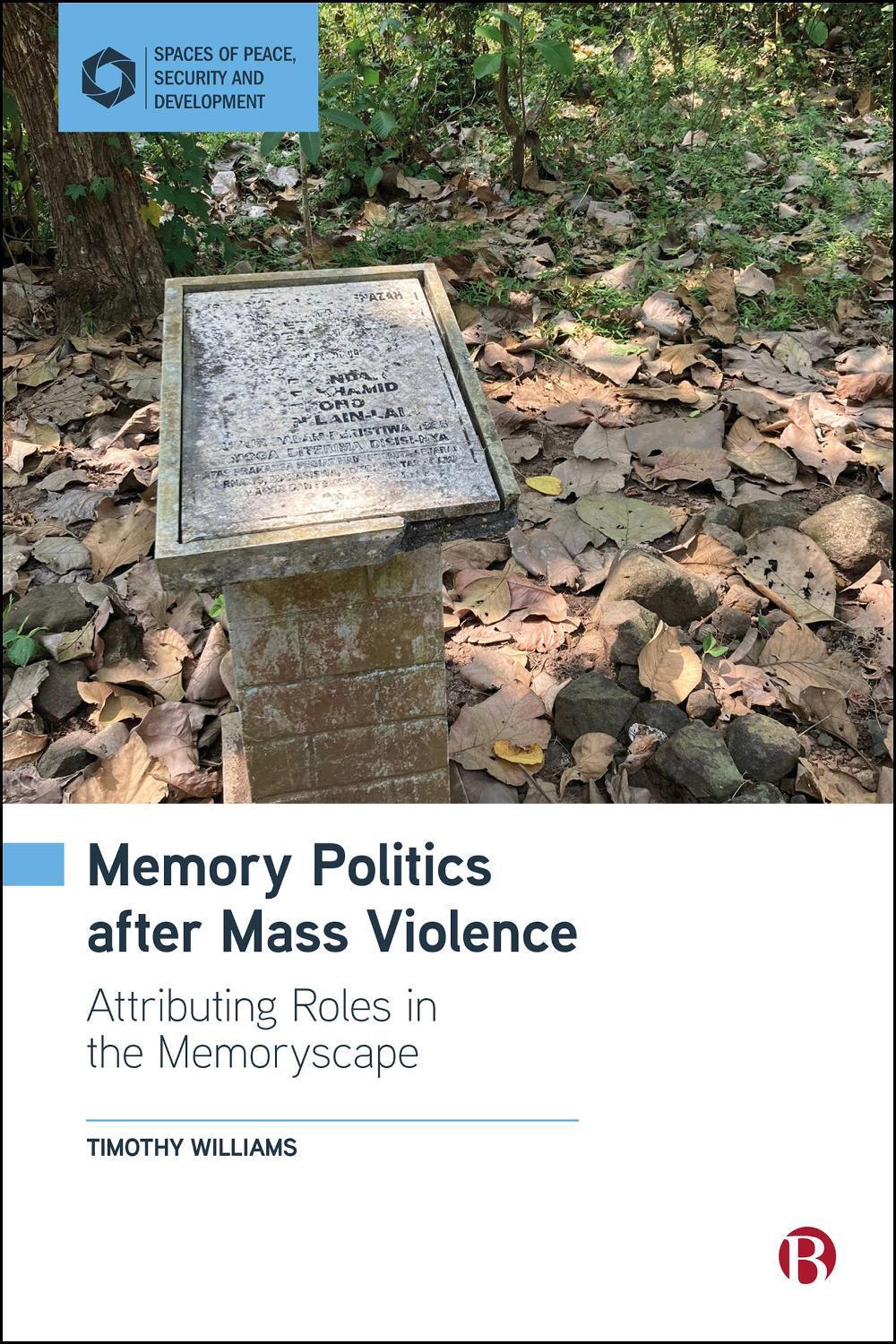
Memory Politics After Mass Violence Attributing Roles In The Memoryscape 1st Timothy Williams

  • SKU: BELL-237306596
Memory Politics After Mass Violence Attributing Roles In The Memoryscape 1st Timothy Williams
$ 35.00 $ 45.00 (-22%)

5.0

108 reviews

Memory Politics After Mass Violence Attributing Roles In The Memoryscape 1st Timothy Williams instant download after payment.

Publisher: Bristol University Press
File Extension: PDF
File size: 9.36 MB
Pages: 254
Author: Timothy Williams
ISBN: 9781529227611, 1529227615
Language: English
Year: 2025
Edition: 1st
Volume: -

Product desciption

Memory Politics After Mass Violence Attributing Roles In The Memoryscape 1st Timothy Williams by Timothy Williams 9781529227611, 1529227615 instant download after payment.

This book explores how political actors draw on memories of violent pasts to generate political power and legitimacy in the present. Drawing on fieldwork in post-violence Cambodia, Rwanda and Indonesia, the book demonstrates in what way power is derived from how roles are assigned, exploring who is deemed a perpetrator, victim or hero, as well as uncertainties in this memory.
The author interrogates the ways in which these roles are attributed and ambivalences created in each society’s political discourses, transitional justice processes and cultural heritage. The comparative empirical analysis illustrates the importance of memory for political power and legitimacy today.