logo

EbookBell.com

Most ebook files are in PDF format, so you can easily read them using various software such as Foxit Reader or directly on the Google Chrome browser.
Some ebook files are released by publishers in other formats such as .awz, .mobi, .epub, .fb2, etc. You may need to install specific software to read these formats on mobile/PC, such as Calibre.

Please read the tutorial at this link:  https://ebookbell.com/faq 


We offer FREE conversion to the popular formats you request; however, this may take some time. Therefore, right after payment, please email us, and we will try to provide the service as quickly as possible.


For some exceptional file formats or broken links (if any), please refrain from opening any disputes. Instead, email us first, and we will try to assist within a maximum of 6 hours.

EbookBell Team
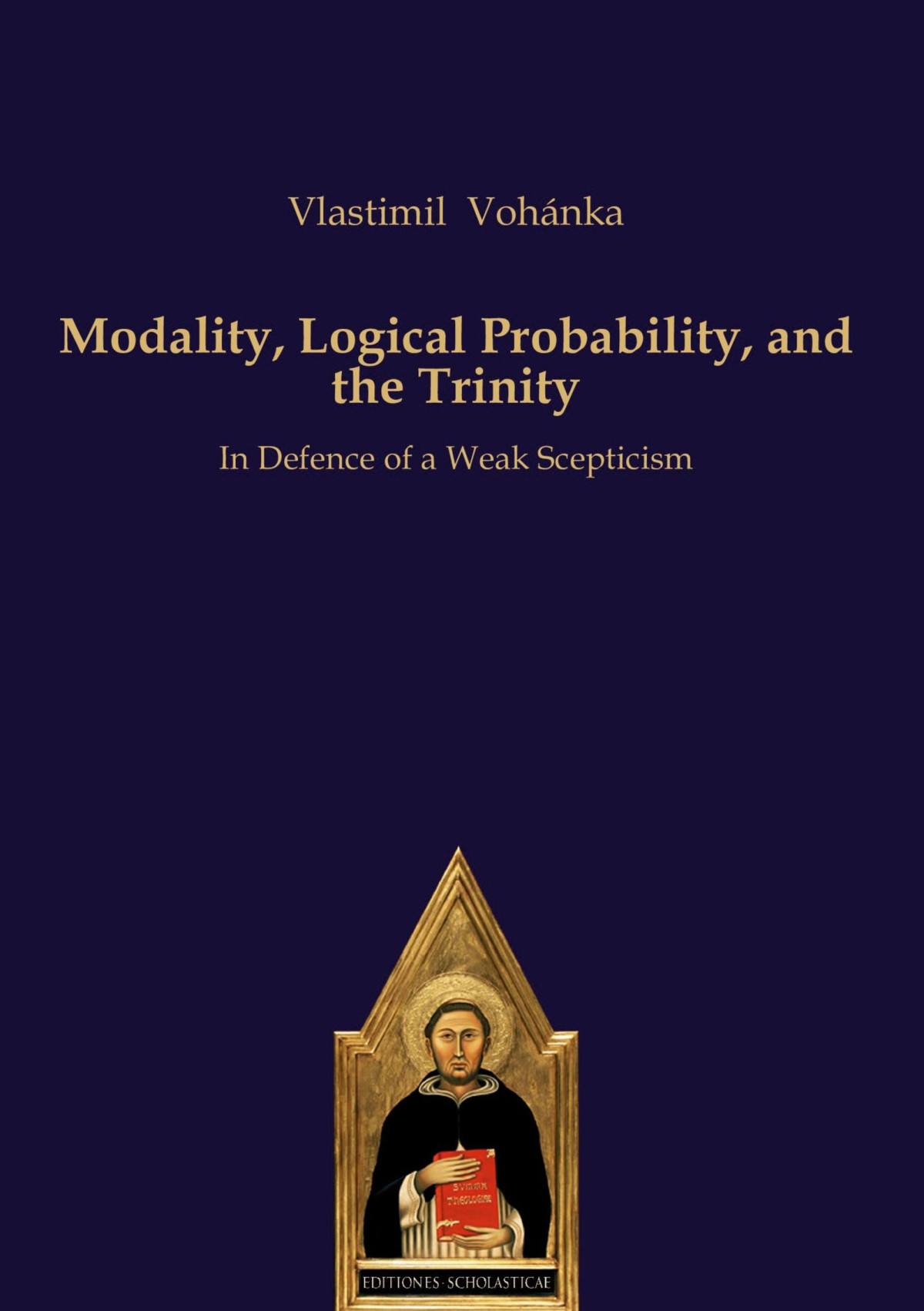
Modality Logical Probability And The Trinity In Defence Of A Weak Scepticism Vlastimil Vohánka

  • SKU: BELL-236307268
Modality Logical Probability And The Trinity In Defence Of A Weak Scepticism Vlastimil Vohánka
$ 35.00 $ 45.00 (-22%)

4.1

40 reviews

Modality Logical Probability And The Trinity In Defence Of A Weak Scepticism Vlastimil Vohánka instant download after payment.

Publisher: Editiones scholasticae
File Extension: PDF
File size: 1.8 MB
Pages: 330
Author: Vlastimil Vohánka
ISBN: 9783868385496, 3868385495
Language: English
Year: 2014

Product desciption

Modality Logical Probability And The Trinity In Defence Of A Weak Scepticism Vlastimil Vohánka by Vlastimil Vohánka 9783868385496, 3868385495 instant download after payment.

This book in epistemology of religion discusses a wide spectrum of sources in analytic, scholastic and apologetic philosophy and theology in order to argue non-deductively for the following thesis: Apart from religious experience, it cannot be evident (in a defined sense of psychological impossibility) that the Trinity doctrine is logically possible. Hence, this conclusion is drawn deductively: Apart from religious experience, it cannot be evident that Christianity or the Trinity doctrine have non-minimal logical probability. As the author points out, however, they still may be justified, well-argued, plausibly logically probable, and probable in other than the logical sense. The book will be of interest to philosophers of religion, analytic theologians, and researchers in analytic scholasticism.