Most ebook files are in PDF format, so you can easily read them using various software such as Foxit Reader or directly on the Google Chrome browser.
Some ebook files are released by publishers in other formats such as .awz, .mobi, .epub, .fb2, etc. You may need to install specific software to read these formats on mobile/PC, such as Calibre.
Please read the tutorial at this link: https://ebookbell.com/faq
We offer FREE conversion to the popular formats you request; however, this may take some time. Therefore, right after payment, please email us, and we will try to provide the service as quickly as possible.
For some exceptional file formats or broken links (if any), please refrain from opening any disputes. Instead, email us first, and we will try to assist within a maximum of 6 hours.
EbookBell Team
4.0
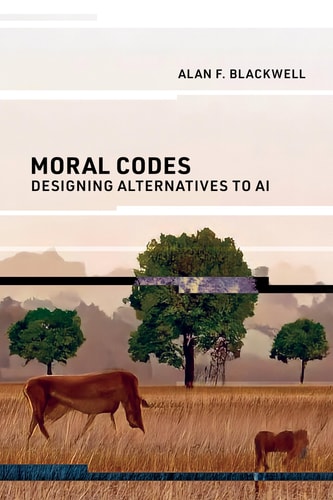
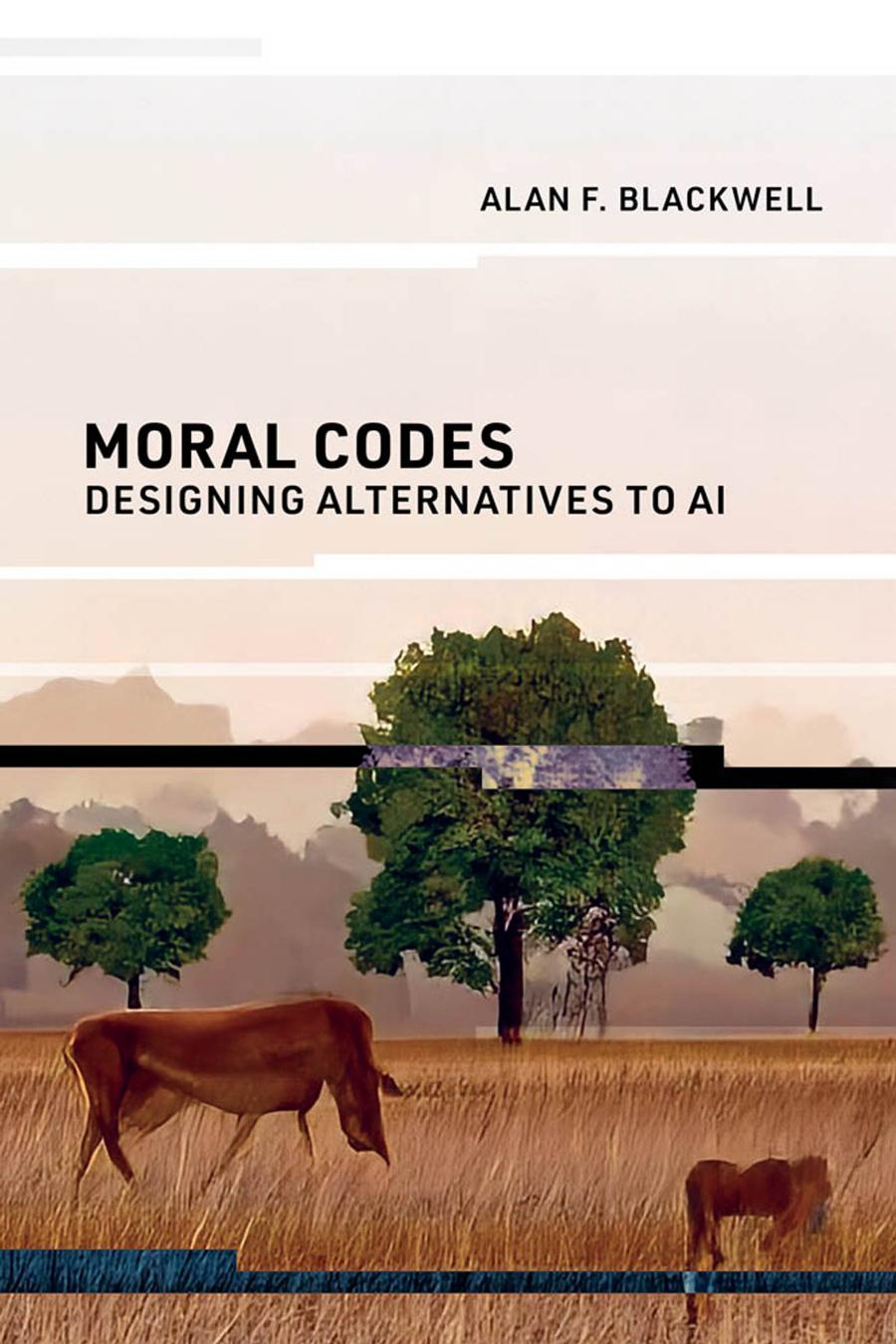
96 reviewsDecades ago, we believed that robots and computers would take over all the boring jobs and drudgery, leaving humans to a life of leisure. This hasn’t happened. Instead, humans are still doing boring jobs, and even worse, AI researchers have built technology that is creative, self-aware, and emotional—doing the tasks humans were supposed to enjoy. How did we get here? In Moral Codes, Alan Blackwell argues that there is a fundamental flaw in the research agenda of AI. What humanity needs, Blackwell argues, is better ways to tell computers what we want them to do, with new and better programming More Open Representations, Access to Learning, and Control Over Digital Expression, in other words, MORAL CODE.
Blackwell draws on his deep experiences as a programming language designer—which he has been doing since 1983—to unpack fundamental principles of interaction design and explain their technical relationship to ideas of creativity and fairness. Taking aim at software that constrains our conversations with strict word counts or infantilizes human interaction with likes and emojis, Blackwell shows how to design software that is better—not more efficient or more profitable, but better for society and better for all people. Covering recent research and the latest smart tools, Blackwell offers rich design principles for a better kind of software—and a better kind of world.