Most ebook files are in PDF format, so you can easily read them using various software such as Foxit Reader or directly on the Google Chrome browser.
Some ebook files are released by publishers in other formats such as .awz, .mobi, .epub, .fb2, etc. You may need to install specific software to read these formats on mobile/PC, such as Calibre.
Please read the tutorial at this link: https://ebookbell.com/faq
We offer FREE conversion to the popular formats you request; however, this may take some time. Therefore, right after payment, please email us, and we will try to provide the service as quickly as possible.
For some exceptional file formats or broken links (if any), please refrain from opening any disputes. Instead, email us first, and we will try to assist within a maximum of 6 hours.
EbookBell Team
0.0
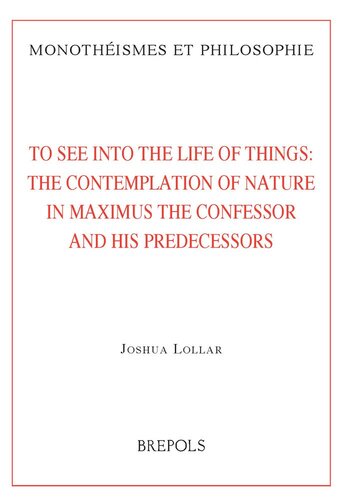
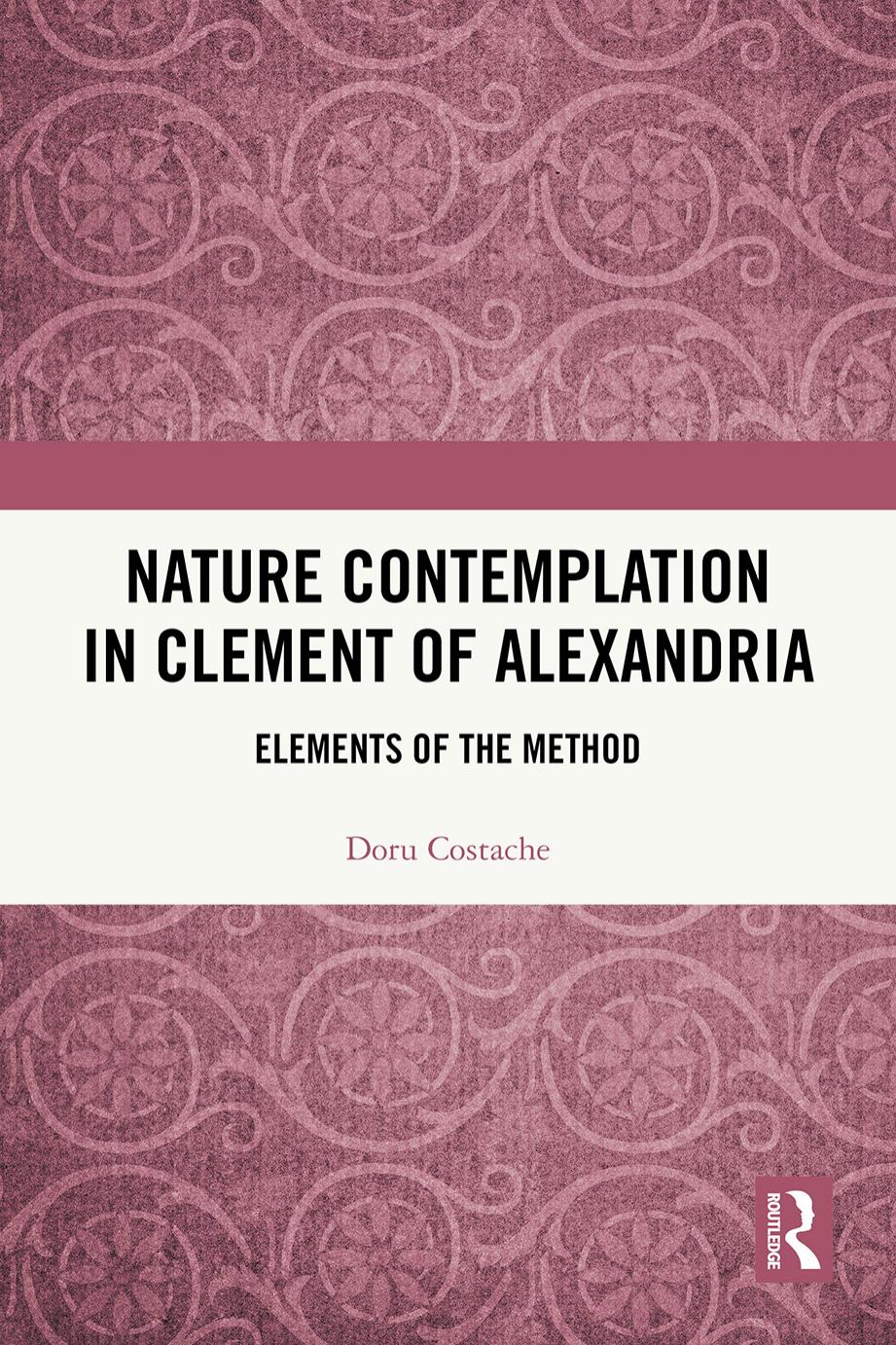
0 reviewsIt reconstructs Clement’s method of nature contemplation, which, while discernible throughout his writings, does not feature as such in one place. Yet it exists within the second stage of the broader threefold roadmap of spiritual advancement, which progresses from ethics to physics to divine vision (“epoptics”). Specifically, Clement’s physics itself has three steps: analysis, interpretation, and the spiritual vision of the world. To advance through the three stages of physics, one must acquire virtue, contemplative skills, and sound information regarding the nature of things. But only transformed people, whom Clement calls “holy gnostics,” saintly sages, have access to the final stage, “gnostic physiology.” This third step amounts to an insightful—“noetic”—perception of nature irreducible to either keen observation or the information gathered and processed by way of analysis and interpretation. This book presents Clement’s method against the backdrop of ancient disciplines of nature contemplation—and as paving the way for contemporary science-engaged theology.
The volume is suitable for postgraduate students and scholars of the history of science and religion, religious studies, early Christian and late antique studies, and patristic studies, particularly those working on Clement of Alexandria.