Most ebook files are in PDF format, so you can easily read them using various software such as Foxit Reader or directly on the Google Chrome browser.
Some ebook files are released by publishers in other formats such as .awz, .mobi, .epub, .fb2, etc. You may need to install specific software to read these formats on mobile/PC, such as Calibre.
Please read the tutorial at this link: https://ebookbell.com/faq
We offer FREE conversion to the popular formats you request; however, this may take some time. Therefore, right after payment, please email us, and we will try to provide the service as quickly as possible.
For some exceptional file formats or broken links (if any), please refrain from opening any disputes. Instead, email us first, and we will try to assist within a maximum of 6 hours.
EbookBell Team
5.0
100 reviewsVery Short Introductions: Brilliant, Sharp, Inspiring
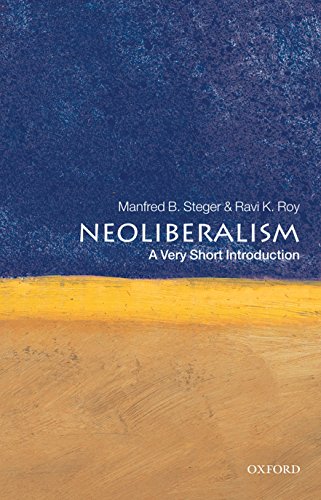
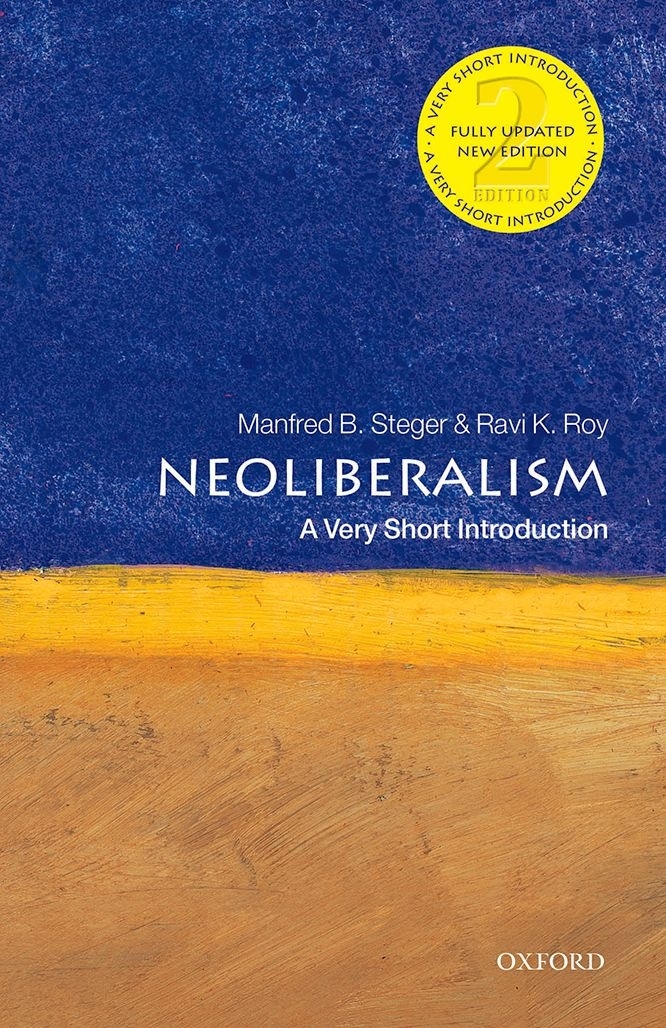
Anchored in the principles of free-market economics, neoliberalism emerged in the 1990s as the world's most dominant economic paradigm. It has been associated with various political leaders from Ronald Reagan, Margaret Thatcher, and Bill Clinton, to Tony Blair, Barack Obama, and Manmohan Singh. Neoliberalism even penetrated deeply into communist China's powerful economic system.
However, the 2008 Global Financial Crisis and the related European Sovereign Debt Crisis triggered a decade of economic volatility and insecurity that boosted the fortunes of the 1 per cent while saddling the 99 per cent with stagnant wages and precarious work. As a result of this Great Recession, neoliberalism fortunes have waned considerably. This downward trend further accelerated with the recent surge of national populism around the world that brought to power outspoken critics of neoliberalism like Donald Trump, Boris Johnson, Jair Bolsonaro, and Narendra Modi.
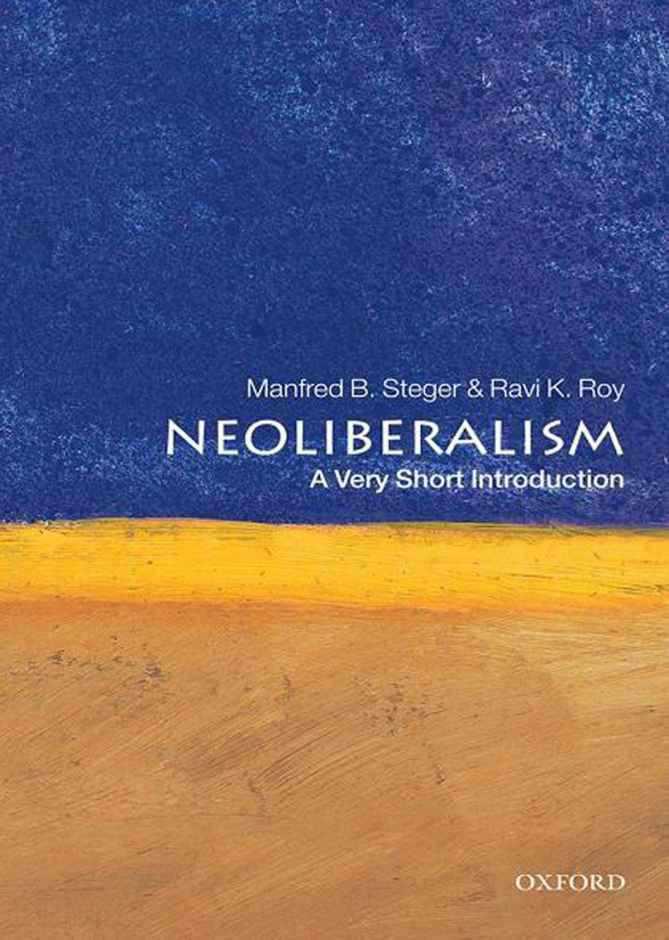
Is neoliberalism doomed or will it regain its former glory? And what are the major types of neoliberalism, and how did they evolve over the decades? Responding to these crucial questions, this Very Short introduction explores the considerable variations of neoliberalism around the world, and discusses the origins, evolution, and core ideas of neoliberalism.
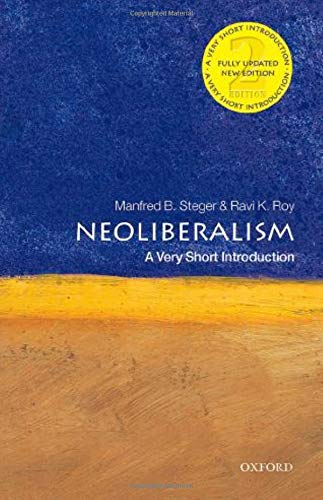
This new edition brings the story of neoliberalism up to date, and asks whether new versions of neoliberalism might succeed in drowning out the rising tide of national populism and its nostalgic longing for a return to territorial sovereignty and national greatness.