Most ebook files are in PDF format, so you can easily read them using various software such as Foxit Reader or directly on the Google Chrome browser.
Some ebook files are released by publishers in other formats such as .awz, .mobi, .epub, .fb2, etc. You may need to install specific software to read these formats on mobile/PC, such as Calibre.
Please read the tutorial at this link: https://ebookbell.com/faq
We offer FREE conversion to the popular formats you request; however, this may take some time. Therefore, right after payment, please email us, and we will try to provide the service as quickly as possible.
For some exceptional file formats or broken links (if any), please refrain from opening any disputes. Instead, email us first, and we will try to assist within a maximum of 6 hours.
EbookBell Team
0.0
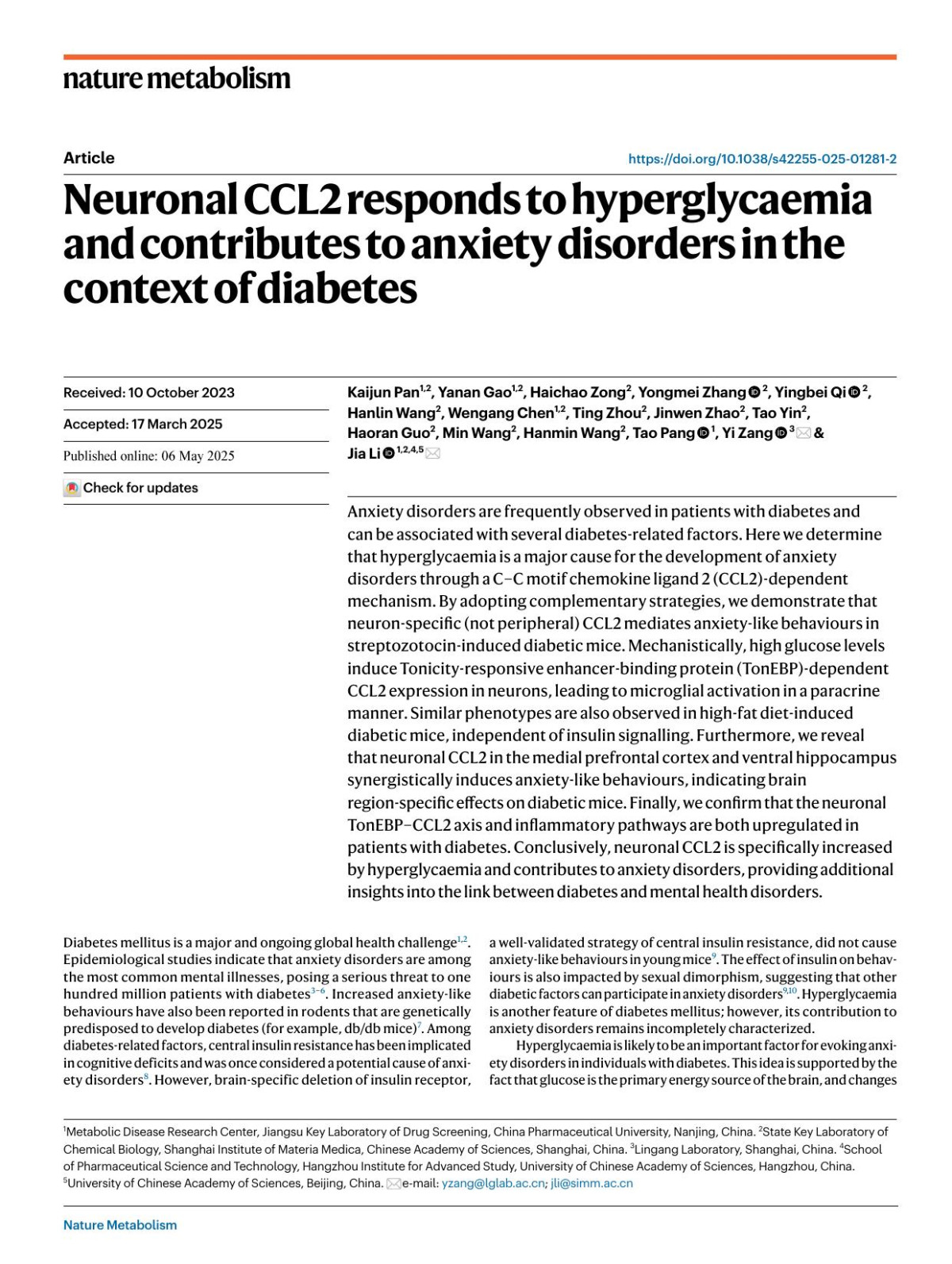
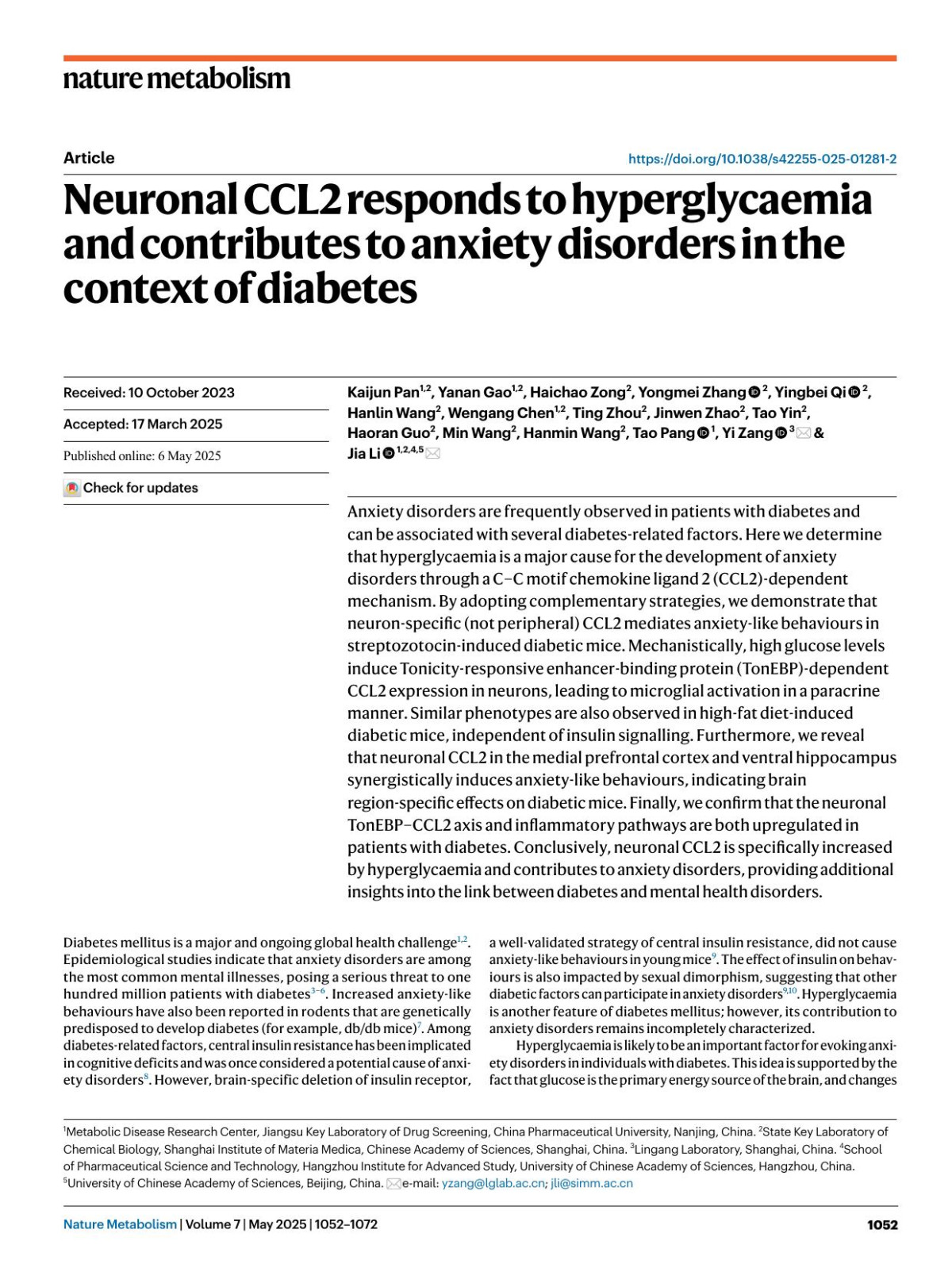
0 reviewsAnxiety disorders are frequently observed in patients with diabetes and can be associated with several diabetes-related factors. Here we determine that hyperglycaemia is a major cause for the development of anxiety disorders through a C–C motif chemokine ligand 2 (CCL2)-dependent mechanism. By adopting complementary strategies, we demonstrate that neuron-specifc (not peripheral) CCL2 mediates anxiety-like behaviours in streptozotocin-induced diabetic mice. Mechanistically, high glucose levels induce Tonicity-responsive enhancer-binding protein (TonEBP)-dependent CCL2 expression in neurons, leading to microglial activation in a paracrine manner. Similar phenotypes are also observed in high-fat diet-induced diabetic mice, independent of insulin signalling. Furthermore, we reveal that neuronal CCL2 in the medial prefrontal cortex and ventral hippocampus synergistically induces anxiety-like behaviours, indicating brain region-specifc efects on diabetic mice. Finally, we confrm that the neuronal TonEBP–CCL2 axis and infammatory pathways are both upregulated in patients with diabetes. Conclusively, neuronal CCL2 is specifcally increased by hyperglycaemia and contributes to anxiety disorders, providing additional insights into the link between diabetes and mental health disorders.