logo

EbookBell.com

Most ebook files are in PDF format, so you can easily read them using various software such as Foxit Reader or directly on the Google Chrome browser.
Some ebook files are released by publishers in other formats such as .awz, .mobi, .epub, .fb2, etc. You may need to install specific software to read these formats on mobile/PC, such as Calibre.

Please read the tutorial at this link:  https://ebookbell.com/faq 


We offer FREE conversion to the popular formats you request; however, this may take some time. Therefore, right after payment, please email us, and we will try to provide the service as quickly as possible.


For some exceptional file formats or broken links (if any), please refrain from opening any disputes. Instead, email us first, and we will try to assist within a maximum of 6 hours.

EbookBell Team
Palimpsests Of Religious Encounter In Asia 15001800 Mia M Mochizuki

  • SKU: BELL-236471220
Palimpsests Of Religious Encounter In Asia 15001800 Mia M Mochizuki
$ 35.00 $ 45.00 (-22%)

0.0

0 reviews

Palimpsests Of Religious Encounter In Asia 15001800 Mia M Mochizuki instant download after payment.

Publisher: Brill
File Extension: PDF
File size: 82.26 MB
Pages: 562
Author: Mia M. Mochizuki
ISBN: 9789004522756, 9789004522749, 9004522751, 9004522743
Language: English
Year: 2025
Volume: 97

Product desciption

Palimpsests Of Religious Encounter In Asia 15001800 Mia M Mochizuki by Mia M. Mochizuki 9789004522756, 9789004522749, 9004522751, 9004522743 instant download after payment.

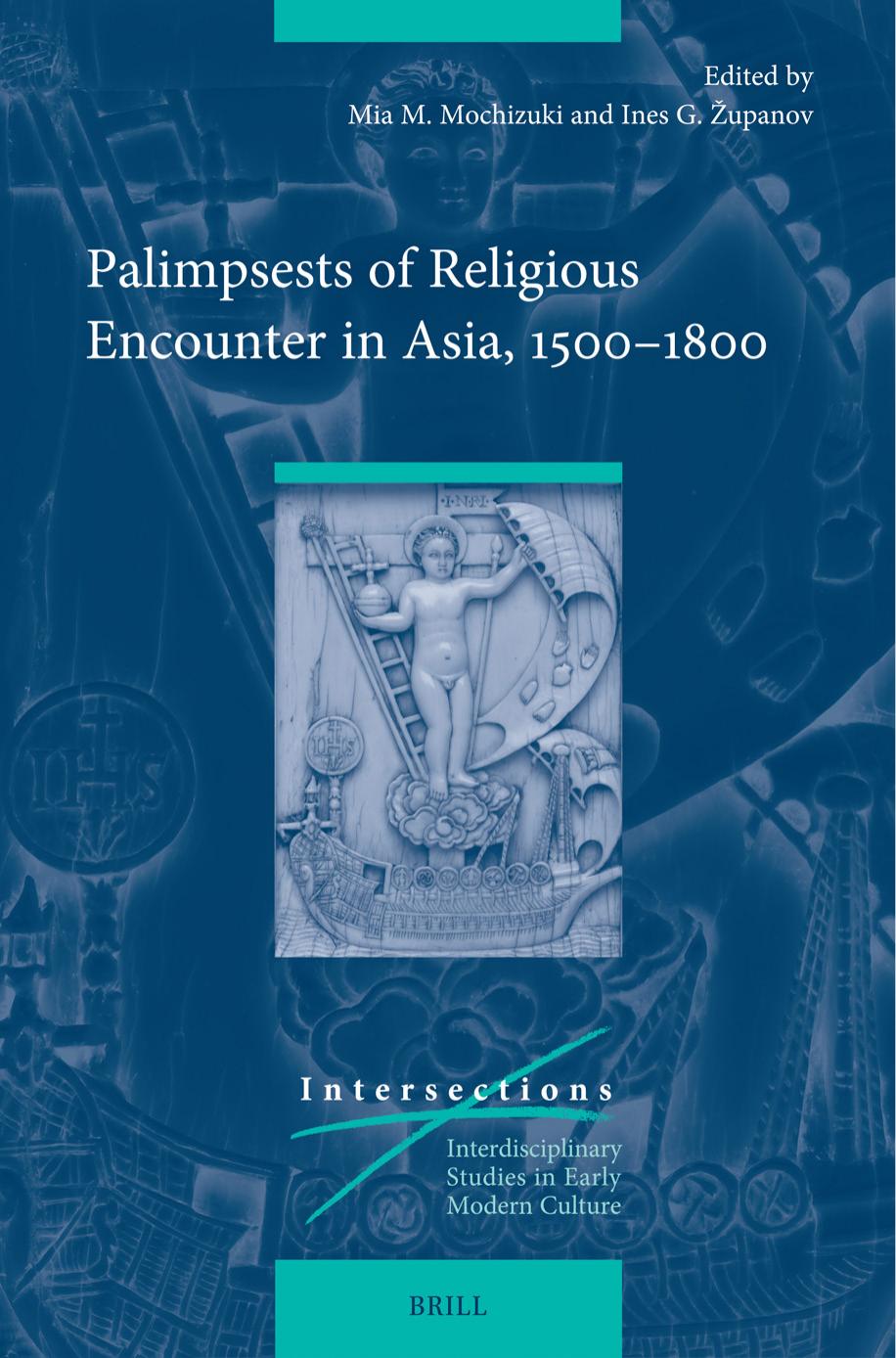
During the 'thick globalism' of the early modern world, evidence of religious contact, between conflict and commerce, has been overlooked in national narratives. In Palimpsests of Religious Encounter in Asia, 1500–1800, a cross-disciplinary group of international experts delve into on-site artefacts and archives to consider the geographical imagination, the transfer of knowledge, the politics of interreligious dialogue, the practice of reception, and the cyclical flow of meaning across transcultural things. Illustrations of objects rarely available to the public demonstrate how religious belief can provide a shared methodological platform for the global turn of art history.