Most ebook files are in PDF format, so you can easily read them using various software such as Foxit Reader or directly on the Google Chrome browser.
Some ebook files are released by publishers in other formats such as .awz, .mobi, .epub, .fb2, etc. You may need to install specific software to read these formats on mobile/PC, such as Calibre.
Please read the tutorial at this link: https://ebookbell.com/faq
We offer FREE conversion to the popular formats you request; however, this may take some time. Therefore, right after payment, please email us, and we will try to provide the service as quickly as possible.
For some exceptional file formats or broken links (if any), please refrain from opening any disputes. Instead, email us first, and we will try to assist within a maximum of 6 hours.
EbookBell Team
4.4
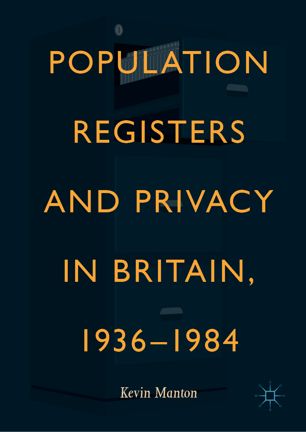
22 reviewsThis book examines the fraught political relationship between British governments, which wanted information about peoples’ lives, and the people who desired privacy. To do this it looks at something that Britain only experienced in wartime, a centralized and up-to-date list of everyone in the country: a population register. The abolition of this wartime system is contrasted with later attempts to reintroduce registration, and the change in the political mind-set driving these later schemes to develop centralised webs of so-called objective data is examined. These policies were confronted by privacy campaigns, studied here, but it is shown how government responses succeeded in turning political debates about data into technical discussions about computerization; thus protecting its data, largely on paper, from oversight. This reformulation also shaped the 1984 Data Protection Act, which consequently did not protect privacy but rather increased government’s ability to gain knowledge of, and hence power over, the people.