Most ebook files are in PDF format, so you can easily read them using various software such as Foxit Reader or directly on the Google Chrome browser.
Some ebook files are released by publishers in other formats such as .awz, .mobi, .epub, .fb2, etc. You may need to install specific software to read these formats on mobile/PC, such as Calibre.
Please read the tutorial at this link: https://ebookbell.com/faq
We offer FREE conversion to the popular formats you request; however, this may take some time. Therefore, right after payment, please email us, and we will try to provide the service as quickly as possible.
For some exceptional file formats or broken links (if any), please refrain from opening any disputes. Instead, email us first, and we will try to assist within a maximum of 6 hours.
EbookBell Team
4.4
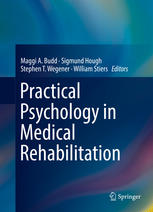
32 reviewsThis easy-access guide summarizes the dynamic specialty of rehabilitation psychology, focusing on real-world practice in the medical setting. It begins by placing readers at the frontlines of practice with a solid foundation for gathering information and communicating effectively with patients, families, and staff. The book’s topics run a wide gamut of patient conditions (neurological, musculoskeletal, cardiovascular), related problems (sleep and fatigue issues, depression) and practitioner responses (encouraging coping and compliance, pediatric and geriatric considerations). Models of disability and adaptation, review of competency concerns, and guidelines for group and individual therapy offer evidence-based insights for helping patients manage their health conditions, benefit from rehabilitation interventions, and prepare for their post-rehabilitation lives and activities.
Coverage spotlights these core areas:
·Basics and biopsychosocial practicalities, from behavioral medicine and psychopharmacology to ethical and forensic issues.
·Populations, problems, and procedures, including stroke, TBI, substance abuse, transplants, and severe mental illness.
·Assessment and practical interventions such as pain, anxiety, cognitive functioning, and more.
·Consultation, advocacy, and interdisciplinary teams.
·Practice management, administration, and professional self-care.·Research, technology, and program evaluation.
Practical Psychology in Medical Rehabilitation is an essential professional development tool for novice (and a refresher for veteran) psychologists and neuropsychologists, as well as rehabilitation physicians, nurses, therapists, psychiatrists, and social workers. It presents in depth both the hallmarks of the specialty and the nuts and bolts of being a valuable team player in a medical setting.