logo

EbookBell.com

Most ebook files are in PDF format, so you can easily read them using various software such as Foxit Reader or directly on the Google Chrome browser.
Some ebook files are released by publishers in other formats such as .awz, .mobi, .epub, .fb2, etc. You may need to install specific software to read these formats on mobile/PC, such as Calibre.

Please read the tutorial at this link:  https://ebookbell.com/faq 


We offer FREE conversion to the popular formats you request; however, this may take some time. Therefore, right after payment, please email us, and we will try to provide the service as quickly as possible.


For some exceptional file formats or broken links (if any), please refrain from opening any disputes. Instead, email us first, and we will try to assist within a maximum of 6 hours.

EbookBell Team
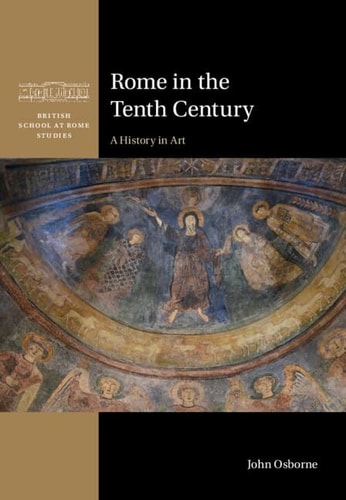
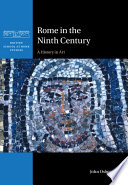
Rome In The Tenth Century A History In Art 1st Edition John Osborne

  • SKU: BELL-235004154
Rome In The Tenth Century A History In Art 1st Edition John Osborne
$ 35.00 $ 45.00 (-22%)

4.7

86 reviews

Rome In The Tenth Century A History In Art 1st Edition John Osborne instant download after payment.

Publisher: Cambridge University Press
File Extension: PDF
File size: 9.38 MB
Pages: 228
Author: John Osborne
ISBN: 9781009639699, 1009639692
Language: English
Year: 2025
Edition: 1
Volume: 1

Product desciption

Rome In The Tenth Century A History In Art 1st Edition John Osborne by John Osborne 9781009639699, 1009639692 instant download after payment.

This is the third and final volume in a series examining the history of Rome in the early Middle Ages (700-1000 CE) through the primary lens of the city's material culture. The previous volumes examined the eighth and the ninth centuries respectively. John Osborne uses buildings (both religious and domestic), their decorations, other works of painting and sculpture, inscriptions, manuscripts, ceramics, metalwork, and coins as 'documents' to supplement what can be gleaned from more traditional written sources such as the Liber pontificalis. The overall approach is particularly appropriate for tenth-century Rome, which has traditionally been considered a 'dark age', given recent research on standing monuments and the large amount of new material brought to light in archaeological excavations undertaken over the last four decades. This magnificent and beautifully illustrated volume provides a triumphant conclusion to a series which will be indispensable for all those interested in early medieval Rome.