logo

EbookBell.com

Most ebook files are in PDF format, so you can easily read them using various software such as Foxit Reader or directly on the Google Chrome browser.
Some ebook files are released by publishers in other formats such as .awz, .mobi, .epub, .fb2, etc. You may need to install specific software to read these formats on mobile/PC, such as Calibre.

Please read the tutorial at this link:  https://ebookbell.com/faq 


We offer FREE conversion to the popular formats you request; however, this may take some time. Therefore, right after payment, please email us, and we will try to provide the service as quickly as possible.


For some exceptional file formats or broken links (if any), please refrain from opening any disputes. Instead, email us first, and we will try to assist within a maximum of 6 hours.

EbookBell Team
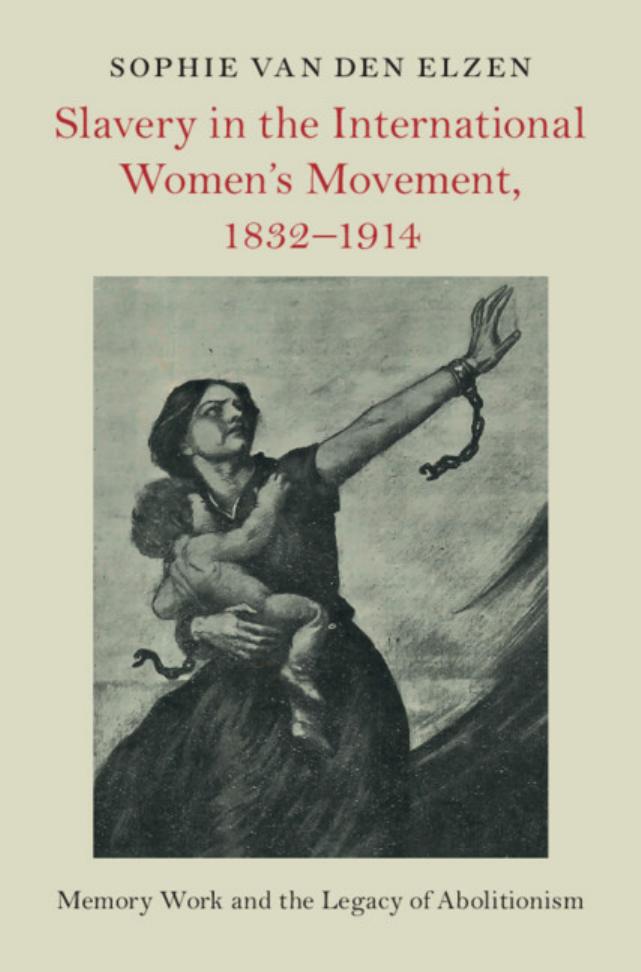
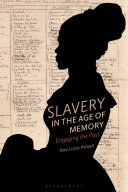
Slavery In The International Womens Movement 18321914 Memory Work And The Legacy Of Abolitionism Sophie Van Den Elzen

  • SKU: BELL-236591094
Slavery In The International Womens Movement 18321914 Memory Work And The Legacy Of Abolitionism Sophie Van Den Elzen
$ 35.00 $ 45.00 (-22%)

4.7

56 reviews

Slavery In The International Womens Movement 18321914 Memory Work And The Legacy Of Abolitionism Sophie Van Den Elzen instant download after payment.

Publisher: Cambridge University Press
File Extension: PDF
File size: 2.03 MB
Author: Sophie van den Elzen
ISBN: 9781009411943, 1009411942
Language: English
Year: 2025

Product desciption

Slavery In The International Womens Movement 18321914 Memory Work And The Legacy Of Abolitionism Sophie Van Den Elzen by Sophie Van Den Elzen 9781009411943, 1009411942 instant download after payment.

In this book, Sophie van den Elzen shows how advocates for women's rights, in the absence of their 'own' history, used the antislavery movement as a historical reference point and model. Through a detailed analysis of a wide range of sources produced over the span of almost a century, including novels, journals, speeches, pamphlets, and posters, van den Elzen reveals how the women's movement gradually diverged from a position of solidarity with the enslaved into one of opposition, based on hierarchical assumptions about class and race. This inclusive cultural survey provides a new understanding of the ways in which the cultural memory of Anglo-American antislavery was imported and adapted across Europe and the Atlantic world, and it breaks new ground in studying the “woman-slave analogy” from a longitudinal and transnational comparative perspective. This title is also available as open access on Cambridge Core.