Most ebook files are in PDF format, so you can easily read them using various software such as Foxit Reader or directly on the Google Chrome browser.
Some ebook files are released by publishers in other formats such as .awz, .mobi, .epub, .fb2, etc. You may need to install specific software to read these formats on mobile/PC, such as Calibre.
Please read the tutorial at this link: https://ebookbell.com/faq
We offer FREE conversion to the popular formats you request; however, this may take some time. Therefore, right after payment, please email us, and we will try to provide the service as quickly as possible.
For some exceptional file formats or broken links (if any), please refrain from opening any disputes. Instead, email us first, and we will try to assist within a maximum of 6 hours.
EbookBell Team
4.7
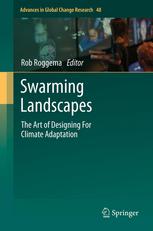
76 reviewsThis book advocates a fresh approach to planning that anticipates, rather than reacts to, the changes in climate currently in process. Today’s spatial planning procedures rely on historical evidence instead of preparing for factors that by definition lie in the future, yet which are relatively uncontroversial: shortages of water, sea level rise and rises in average temperatures being but three examples. Arguing for more flexibility, the contributors view ‘complexity’ as the key to transforming the way we plan in order to better equip us to face uncertainties about our future environment.