Most ebook files are in PDF format, so you can easily read them using various software such as Foxit Reader or directly on the Google Chrome browser.
Some ebook files are released by publishers in other formats such as .awz, .mobi, .epub, .fb2, etc. You may need to install specific software to read these formats on mobile/PC, such as Calibre.
Please read the tutorial at this link: https://ebookbell.com/faq
We offer FREE conversion to the popular formats you request; however, this may take some time. Therefore, right after payment, please email us, and we will try to provide the service as quickly as possible.
For some exceptional file formats or broken links (if any), please refrain from opening any disputes. Instead, email us first, and we will try to assist within a maximum of 6 hours.
EbookBell Team

4.0
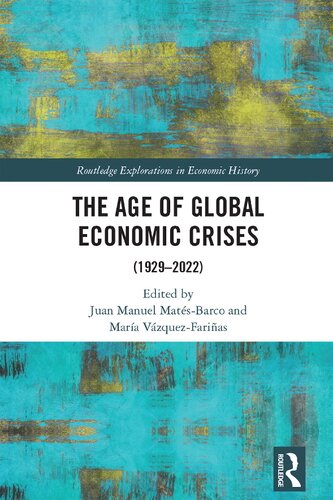
36 reviewsIt then examines the modern tools of this new protectionism, including tariffs, technology, and environmental regulations (Ch. 3), and analyzes the US-China trade war (Ch. 4). A key thesis is that this conflict is a symptom of deeper structural issues within the US economy, with the costs of tariffs ultimately falling on American consumers and producers.
Subsequent chapters explore the tension between competition policy and national interests (Ch. 5), offer a case study on Hungary’s financial nationalism (Ch. 6), and empirically analyze agricultural policies in emerging economies (Ch. 7). The final chapter (Ch. 8) discusses corporate adaptation strategies, such as "Reverse Innovation," where products developed for low-income markets are introduced to high-income ones in an era of "slowbalization."
Ultimately, the collection concludes that the rise of economic nationalism is not a fleeting political trend but a fundamental restructuring of the global system, demanding a complete reassessment of the principles of globalization.
Preface: This text summarizes an edited volume analyzing the breakdown of the post-WWII liberal international order, which is being supplanted by economic nationalism and protectionism. The book argues this shift, fueled by inequality since the 2008 financial crisis and accelerated by
…