logo

EbookBell.com

Most ebook files are in PDF format, so you can easily read them using various software such as Foxit Reader or directly on the Google Chrome browser.
Some ebook files are released by publishers in other formats such as .awz, .mobi, .epub, .fb2, etc. You may need to install specific software to read these formats on mobile/PC, such as Calibre.

Please read the tutorial at this link:  https://ebookbell.com/faq 


We offer FREE conversion to the popular formats you request; however, this may take some time. Therefore, right after payment, please email us, and we will try to provide the service as quickly as possible.


For some exceptional file formats or broken links (if any), please refrain from opening any disputes. Instead, email us first, and we will try to assist within a maximum of 6 hours.

EbookBell Team
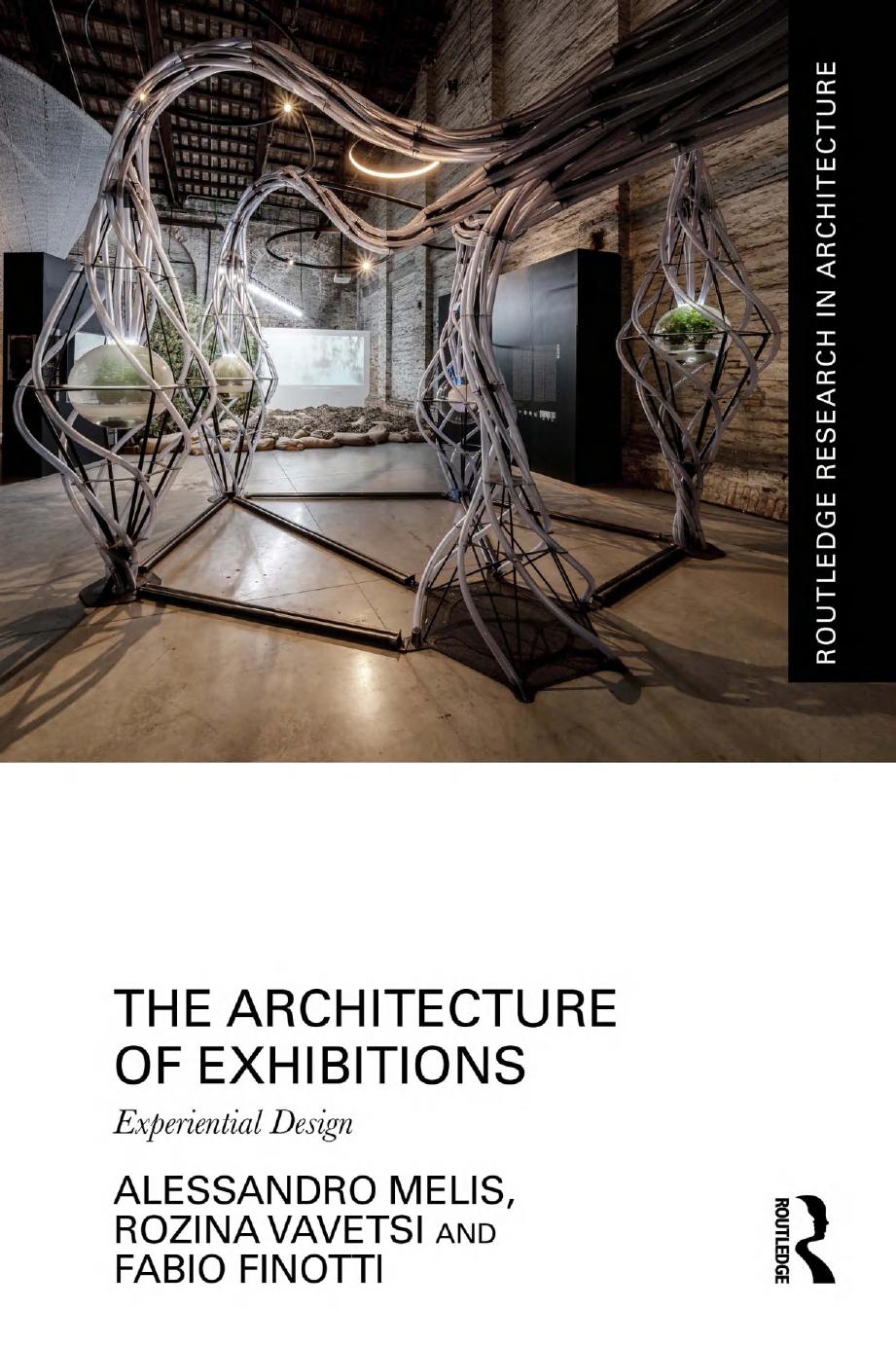
The Architecture Of Exhibitions Experiential Design Alessandro Melis

  • SKU: BELL-168817992
The Architecture Of Exhibitions Experiential Design Alessandro Melis
$ 35.00 $ 45.00 (-22%)

4.8

104 reviews

The Architecture Of Exhibitions Experiential Design Alessandro Melis instant download after payment.

Publisher: Routledge
File Extension: PDF
File size: 3.93 MB
Author: Alessandro Melis, Rozina Vavetsi, Fabio Finotti
Language: English
Year: 2024

Product desciption

The Architecture Of Exhibitions Experiential Design Alessandro Melis by Alessandro Melis, Rozina Vavetsi, Fabio Finotti instant download after payment.

The Architecture of Exhibitions embarks on a comprehensive exploration of creativity and design innovation within exhibition spaces. It describes the fundamental principles of exhibition design, tracing the origins of creativity and considering its evolutionary significance.
The book challenges conventional boundaries imposed by rigid classifications, drawing on heuristic studies in biology and the transformative concept of exaptation. It questions the traditional separations between art, science and technology, which often hinder innovation. By advocating for an interdisciplinary approach, it reimagines creativity that transcends conventional limits. Through practice-based research, multidisciplinary case studies and technological innovations, with a focus on generative AI, the book illustrates how modern exhibition spaces actively engage with their audiences, highlighting their profound impact beyond academic discourse.
This book is designed for curators, designers and scholars who are passionate about the future of exhibition spaces. It offers a comprehensive understanding through its four-part structure, making it an essential read for anyone interested in the dynamic interplay between art, technology and society. The book is also designed as an instrument for the education of architecture, design and art students.

Related Products