logo

EbookBell.com

Most ebook files are in PDF format, so you can easily read them using various software such as Foxit Reader or directly on the Google Chrome browser.
Some ebook files are released by publishers in other formats such as .awz, .mobi, .epub, .fb2, etc. You may need to install specific software to read these formats on mobile/PC, such as Calibre.

Please read the tutorial at this link:  https://ebookbell.com/faq 


We offer FREE conversion to the popular formats you request; however, this may take some time. Therefore, right after payment, please email us, and we will try to provide the service as quickly as possible.


For some exceptional file formats or broken links (if any), please refrain from opening any disputes. Instead, email us first, and we will try to assist within a maximum of 6 hours.

EbookBell Team
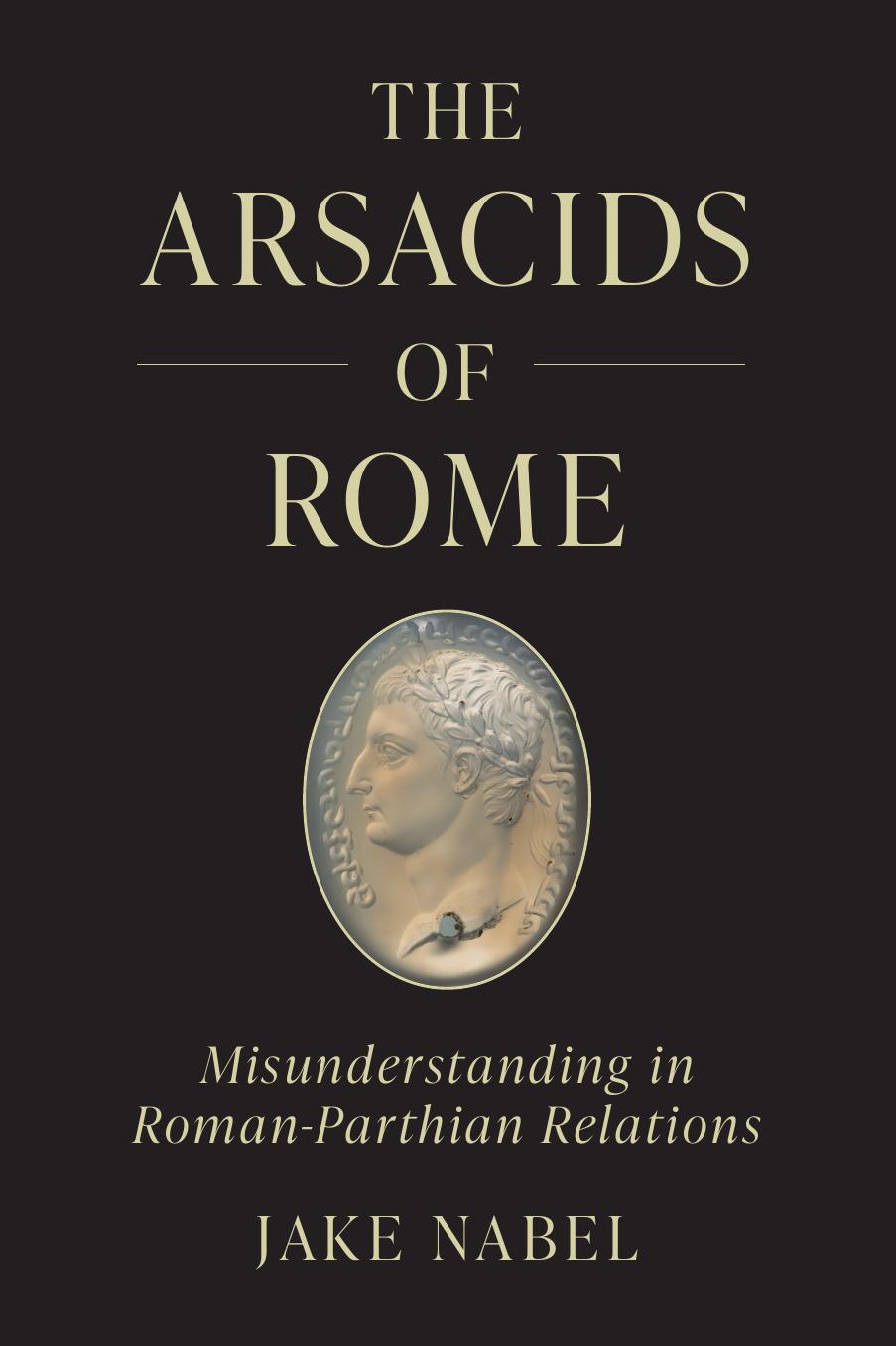
The Arsacids Of Rome Misunderstanding In Romanparthian Relations 1st Jake Nabel

  • SKU: BELL-234261366
The Arsacids Of Rome Misunderstanding In Romanparthian Relations 1st Jake Nabel
$ 35.00 $ 45.00 (-22%)

4.3

88 reviews

The Arsacids Of Rome Misunderstanding In Romanparthian Relations 1st Jake Nabel instant download after payment.

Publisher: University of California Press
File Extension: PDF
File size: 8.55 MB
Author: Jake Nabel
Language: English
Year: 2025
Edition: 1st

Product desciption

The Arsacids Of Rome Misunderstanding In Romanparthian Relations 1st Jake Nabel by Jake Nabel instant download after payment.

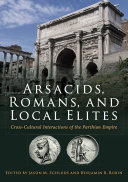
At the beginning of the common era, the two major imperial powers of the ancient Mediterranean and Near East were Rome and Parthia. In this book, Jake Nabel analyzes Roman-Parthian interstate politics by focusing on a group of princes from the Arsacid family—the ruling dynasty of Parthia—who were sent to live at the Roman court. Although Roman authors called these figures “hostages” and scholars have studied them as such, Nabel draws on Iranian and Armenian sources to argue that the Parthians would have seen them as the emperor’s foster-children. These divergent perspectives allowed each empire to perceive itself as superior to the other, since the two sides interpreted the exchange of royal children through conflicting cultural frameworks. Moving beyond the paradigm of great powers in conflict, The Arsacids of Rome advances a new vision of interstate relations with misunderstanding at its center.