Most ebook files are in PDF format, so you can easily read them using various software such as Foxit Reader or directly on the Google Chrome browser.
Some ebook files are released by publishers in other formats such as .awz, .mobi, .epub, .fb2, etc. You may need to install specific software to read these formats on mobile/PC, such as Calibre.
Please read the tutorial at this link: https://ebookbell.com/faq
We offer FREE conversion to the popular formats you request; however, this may take some time. Therefore, right after payment, please email us, and we will try to provide the service as quickly as possible.
For some exceptional file formats or broken links (if any), please refrain from opening any disputes. Instead, email us first, and we will try to assist within a maximum of 6 hours.
EbookBell Team
5.0
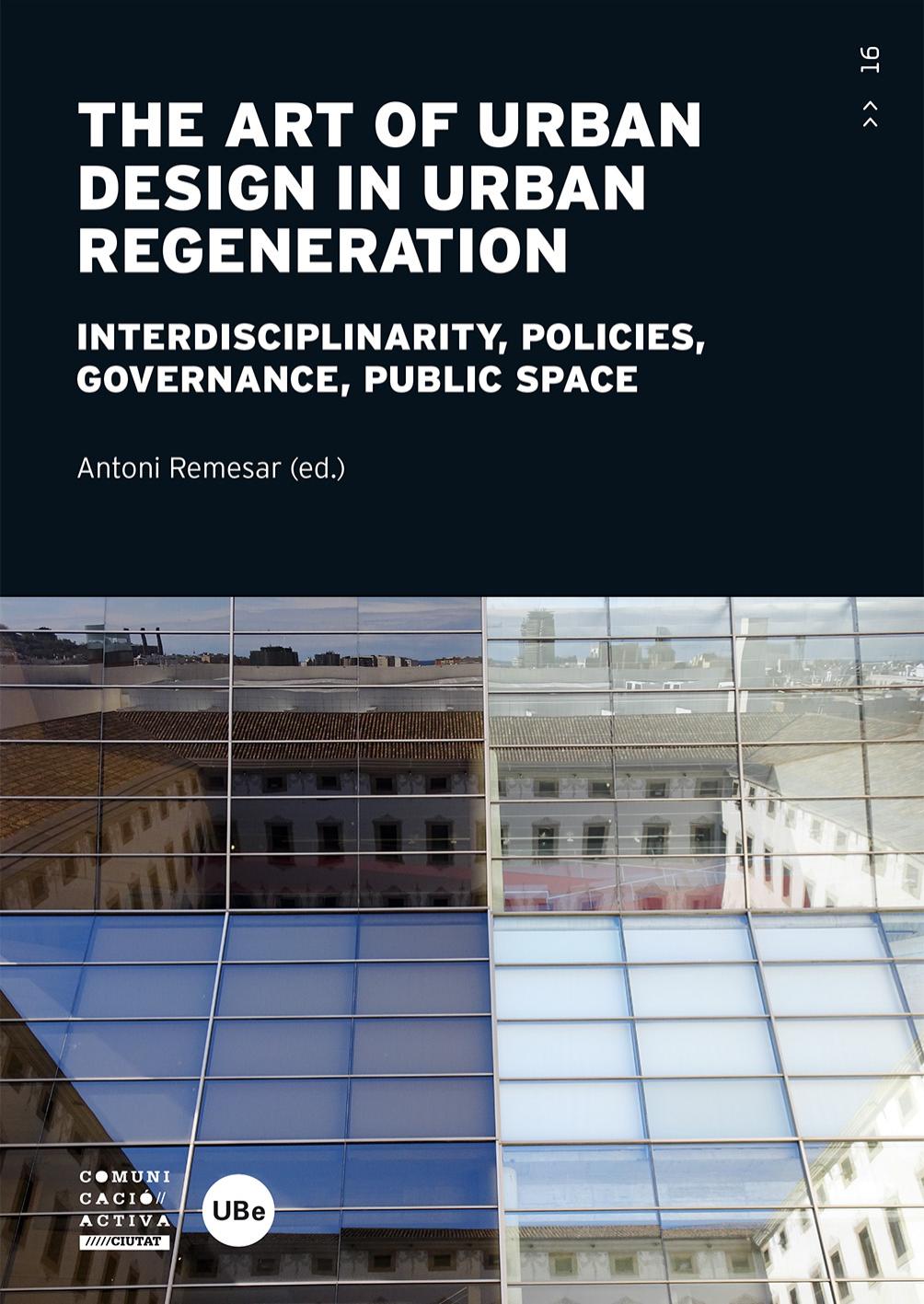
50 reviewsThis volume comprises transcripts of the presentations made at the international seminar "CITIES. Interdisciplinary Issues in Urban Regeneration, Urban Design, Public Art and Public Space", organized by the POLIS Research Centre and the PAUDO (public Art and Urban Design Observatory) network in December 2013.
The book traces the paths of economic and political theory concerning the role of urban regeneration processes, from an overview of the policies implemented in Europe to their actual impact on job creation and local innovation initiatives. It addresses physical aspects of urban design processes, analysing an interdisciplinary project for urban regeneration of the Lisbon riverfront, and proposes some ideas on how to deal with climate change in the construction of public space in cities. Finally, the book concludes with a reflection on new modes of urban governance that can make an urban environment more liveable, evaluating the involvement of neighbours reconverting their role from consultive partners to active participants in the physical (urban design) and symbolic (public art) transformation of their communities. Thus, the book encompasses a broad reflection on urban regeneration, with contributions from disciplinary fields as diverse as Economics, Public Policy, Urban Design and Architecture, Landscaping and Public Art, and draws attention to the need for further interdisciplinary work.