logo

EbookBell.com

Most ebook files are in PDF format, so you can easily read them using various software such as Foxit Reader or directly on the Google Chrome browser.
Some ebook files are released by publishers in other formats such as .awz, .mobi, .epub, .fb2, etc. You may need to install specific software to read these formats on mobile/PC, such as Calibre.

Please read the tutorial at this link:  https://ebookbell.com/faq 


We offer FREE conversion to the popular formats you request; however, this may take some time. Therefore, right after payment, please email us, and we will try to provide the service as quickly as possible.


For some exceptional file formats or broken links (if any), please refrain from opening any disputes. Instead, email us first, and we will try to assist within a maximum of 6 hours.

EbookBell Team
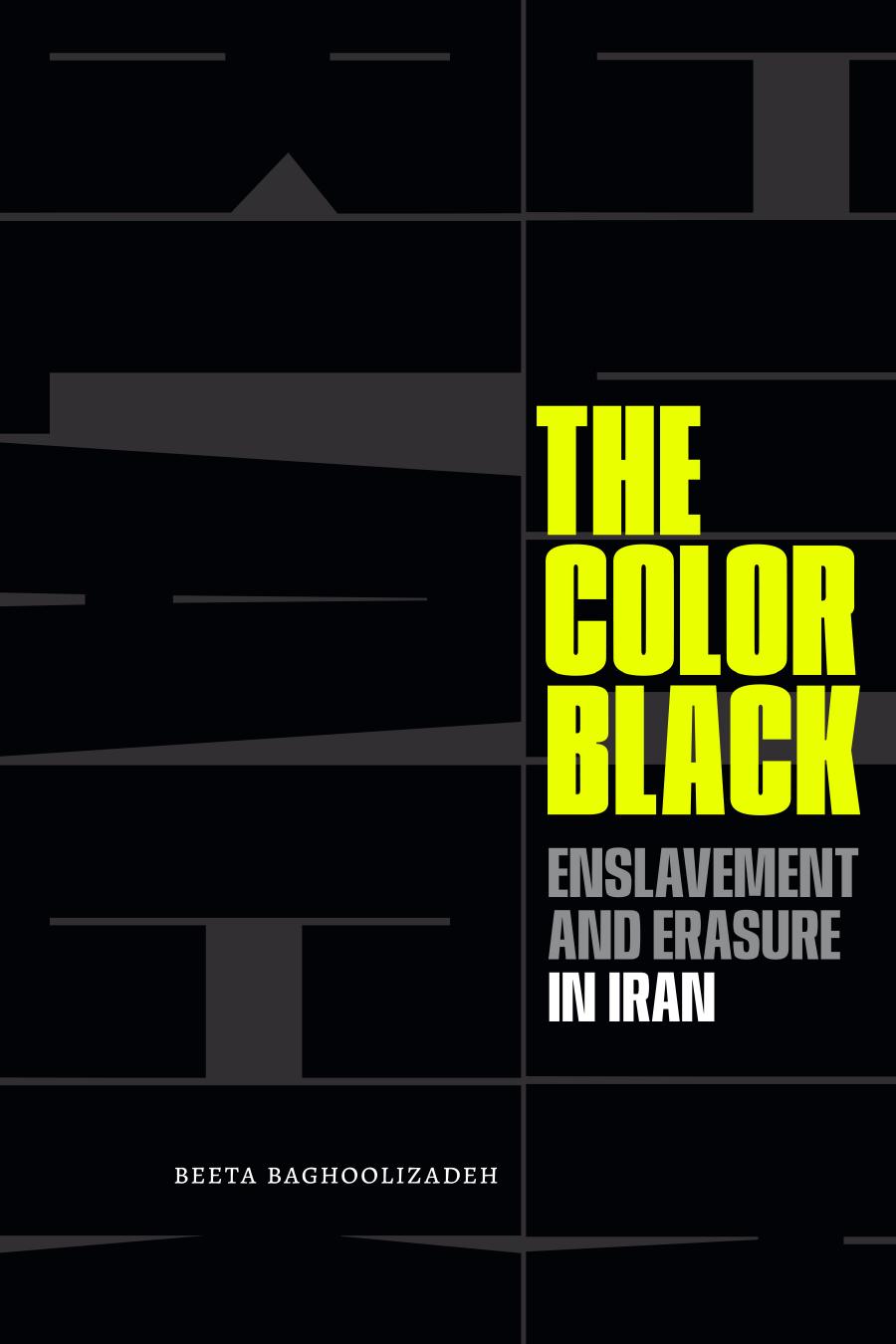
The Color Black Enslavement And Erasure In Iran Beeta Baghoolizadeh

  • SKU: BELL-239024560
The Color Black Enslavement And Erasure In Iran Beeta Baghoolizadeh
$ 35.00 $ 45.00 (-22%)

0.0

0 reviews

The Color Black Enslavement And Erasure In Iran Beeta Baghoolizadeh instant download after payment.

Publisher: Duke University Press
File Extension: PDF
File size: 9.61 MB
Author: Beeta Baghoolizadeh
Language: English
Year: 2024

Product desciption

The Color Black Enslavement And Erasure In Iran Beeta Baghoolizadeh by Beeta Baghoolizadeh instant download after payment.

In The Color Black, Beeta Baghoolizadeh traces the twin processes of enslavement and erasure of Black people in Iran during the nineteenth and twentieth centuries. She illustrates how geopolitical changes and technological advancements in the nineteenth century made enslaved East Africans uniquely visible in their servitude in wealthy and elite Iranian households. During this time, Blackness, Africanness, and enslavement became intertwined—and interchangeable—in Iranian imaginations. After the end of slavery in 1929, the implementation of abolition involved an active process of erasure on a national scale, such that a collective amnesia regarding slavery and racism persists today. The erasure of enslavement resulted in the erasure of Black Iranians as well. Baghoolizadeh draws on photographs, architecture, theater, circus acts, newspapers, films, and more to document how the politics of visibility framed discussions around enslavement and abolition during the nineteenth and twentieth centuries. In this way, Baghoolizadeh makes visible the people and histories that were erased from Iran and its diaspora.