Most ebook files are in PDF format, so you can easily read them using various software such as Foxit Reader or directly on the Google Chrome browser.
Some ebook files are released by publishers in other formats such as .awz, .mobi, .epub, .fb2, etc. You may need to install specific software to read these formats on mobile/PC, such as Calibre.
Please read the tutorial at this link: https://ebookbell.com/faq
We offer FREE conversion to the popular formats you request; however, this may take some time. Therefore, right after payment, please email us, and we will try to provide the service as quickly as possible.
For some exceptional file formats or broken links (if any), please refrain from opening any disputes. Instead, email us first, and we will try to assist within a maximum of 6 hours.
EbookBell Team
4.0
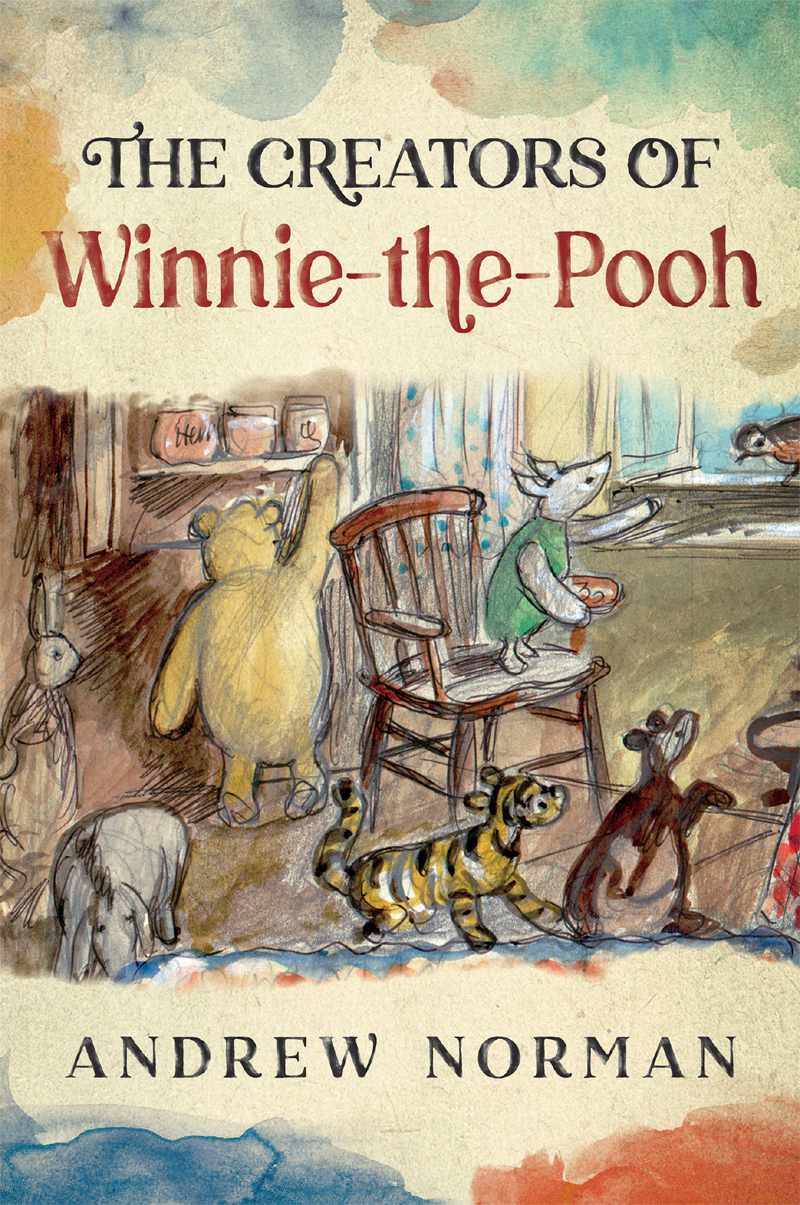
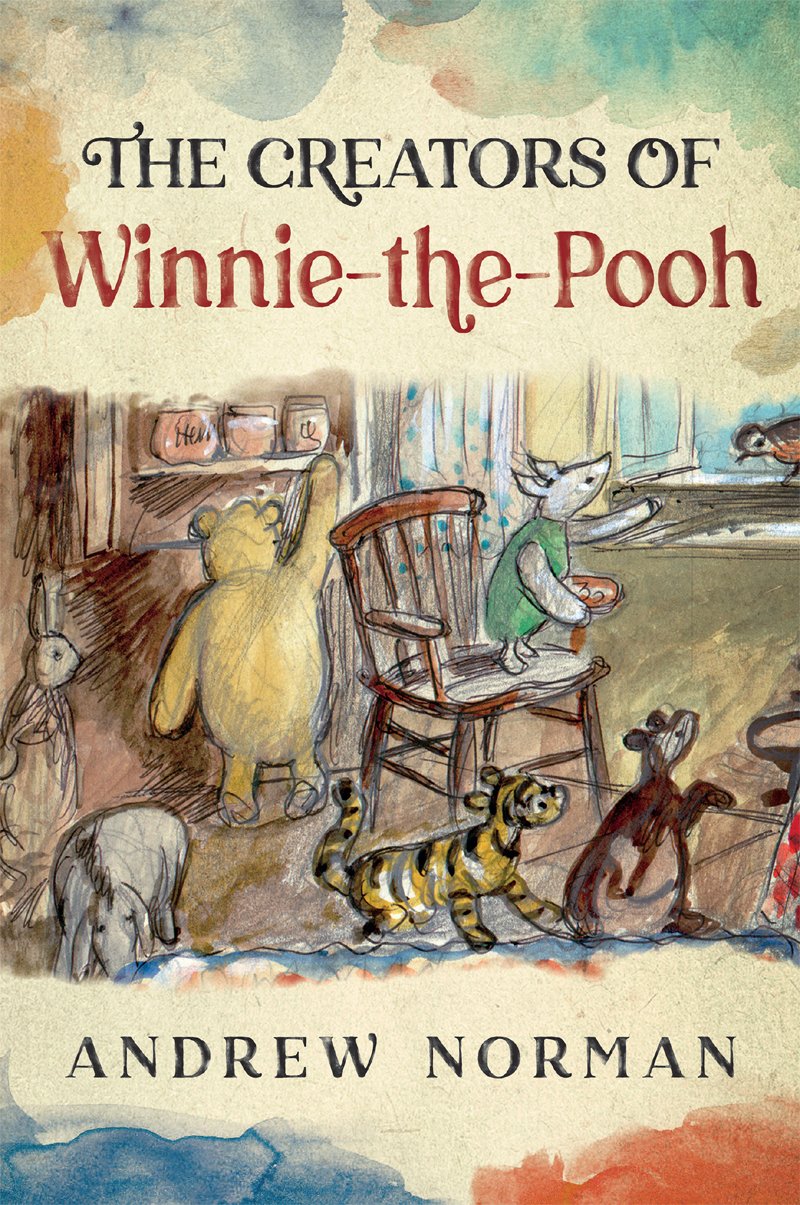
26 reviewsExplores the deeper motivations behind A.A. Milne's creation of Winnie-the-Pooh and its enduring legacy.
In 1962, children’s writer Roger Lancelyn Green coined the phrase ‘The Golden Age of Children’s Books’. A. A. Milne’s two Winnie-the-Pooh books, published in 1926 and 1928, which were so beautifully illustrated by artist and book illustrator E. H. Shepard, fall into this category.
Milne was clearly motivated to compose his Winnie-the-Pooh stories in order to entertain his young son. However, Christopher Robin came to resent the fact that his father had used his real first names as the names of Pooh’s owner in the books.
Was there a deeper reason why Milne created Winnie-the-Pooh? Possibly yes. The author had served as a soldier in the First World War, and by creating Pooh and his ‘Hundred Acre Wood’, he had created a world into which he could withdraw whenever he chose, and thereby mitigate the post-traumatic stress disorder which all military combatants suffer, to a greater or lesser degree. The same applied to Shepard, who also served in that conflict.
Having been given the Pooh books as a child, I re-read them as an adult and laughed just as uproariously as I had done all those years ago. Up until then, it had never occurred to me to enquire about their author A. A. Milne and about their illustrator E. H. Shepard. I now decided that it was time to put matters right!