Most ebook files are in PDF format, so you can easily read them using various software such as Foxit Reader or directly on the Google Chrome browser.
Some ebook files are released by publishers in other formats such as .awz, .mobi, .epub, .fb2, etc. You may need to install specific software to read these formats on mobile/PC, such as Calibre.
Please read the tutorial at this link: https://ebookbell.com/faq
We offer FREE conversion to the popular formats you request; however, this may take some time. Therefore, right after payment, please email us, and we will try to provide the service as quickly as possible.
For some exceptional file formats or broken links (if any), please refrain from opening any disputes. Instead, email us first, and we will try to assist within a maximum of 6 hours.
EbookBell Team
4.4
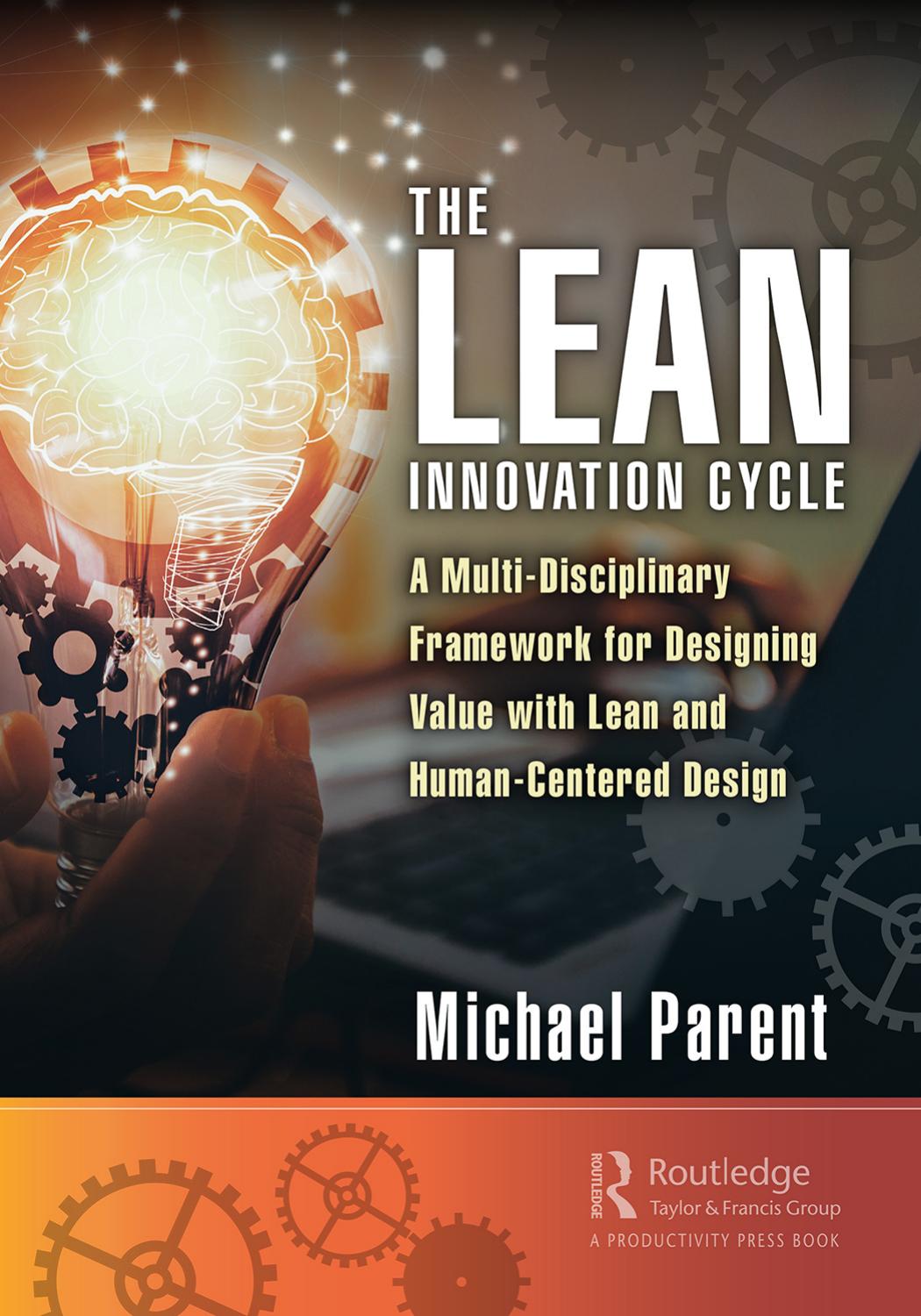
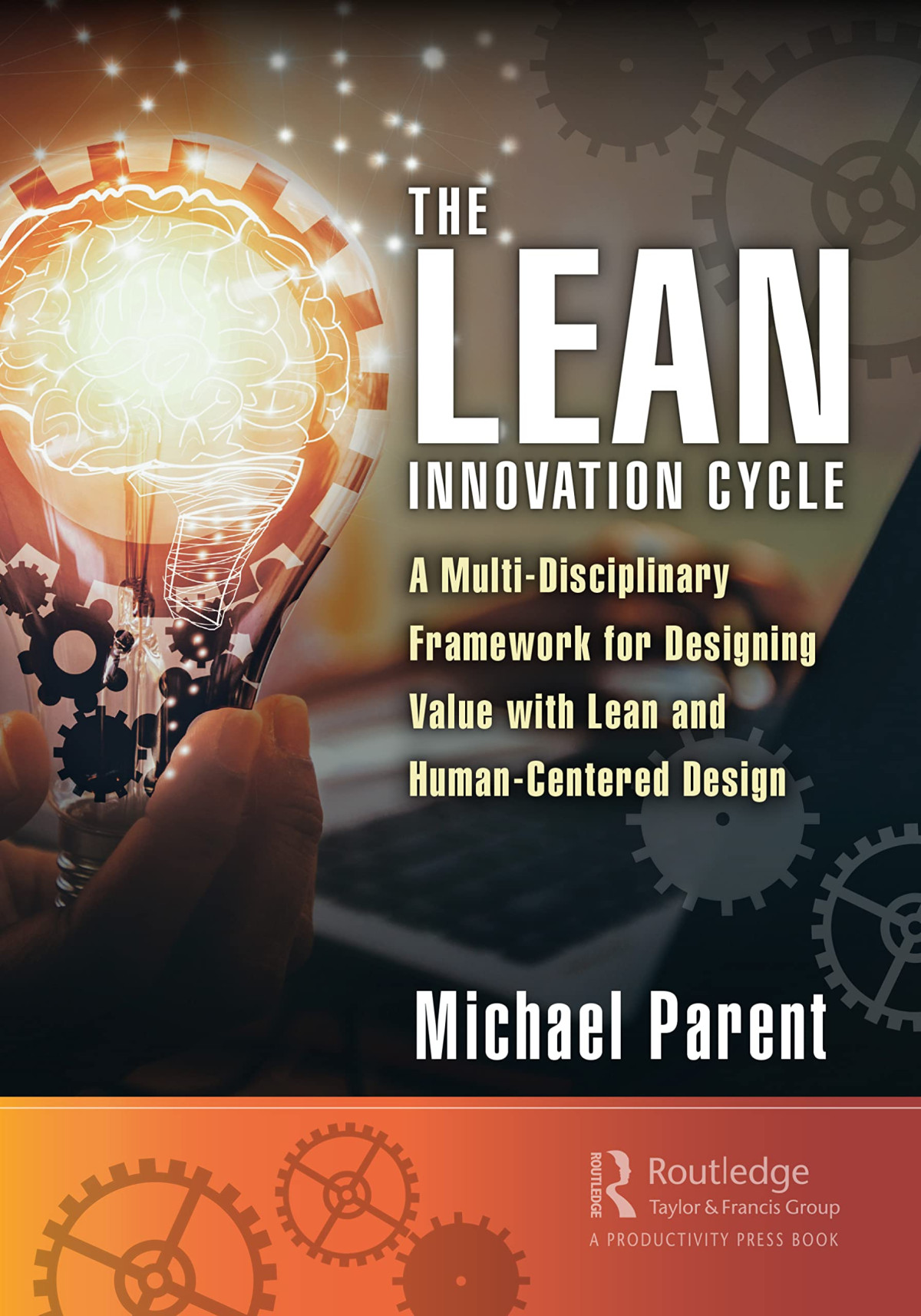
42 reviewsCurrently, businesses are forced to be more innovative than ever before. Organizations must be sensitive to global trends -- such as digitization, globalization, and automation -- and at the same time build resilience and flexibility to combat unexpected changes in customer demand. The coronavirus pandemic is just the most recent and pronounced example of this new-normal business necessity. Amidst the disruption, many businesses are caught not knowing how to proceed. How ought one pursue or achieve innovation for the company? Are there different innovation strategies? Why might a business leader choose one over the other?
The Lean Innovation Cycle addresses these concerns by introducing a new multidisciplinary framework for both thinking about and pursing innovation. By taking key concepts from the quality management practices of Lean and Six Sigma, the framework augments these tools and disciplines by incorporating other problem-solving and design techniques, including Human-Centered Design. The result is a view of innovation that many business leaders will find fits nicely into their existing paradigm of strategy and operational discipline.
After the introduction of the framework, the book turns to understanding the differences, advantages, and tradeoffs in pursuing Lean Innovation in lieu of traditional, technologically driven innovation approaches. To this end, the book considers issues of sustainability, organizational strategy, and competitive advantage. The result is a thought-provoking dialogue that informs the reader about the key considerations of how best to pursue innovation within their business and the business environment, as well as the circumstances that might make one innovation strategy more congruent to an organization’s culture, goals, and objectives than the other.