Most ebook files are in PDF format, so you can easily read them using various software such as Foxit Reader or directly on the Google Chrome browser.
Some ebook files are released by publishers in other formats such as .awz, .mobi, .epub, .fb2, etc. You may need to install specific software to read these formats on mobile/PC, such as Calibre.
Please read the tutorial at this link: https://ebookbell.com/faq
We offer FREE conversion to the popular formats you request; however, this may take some time. Therefore, right after payment, please email us, and we will try to provide the service as quickly as possible.
For some exceptional file formats or broken links (if any), please refrain from opening any disputes. Instead, email us first, and we will try to assist within a maximum of 6 hours.
EbookBell Team
0.0
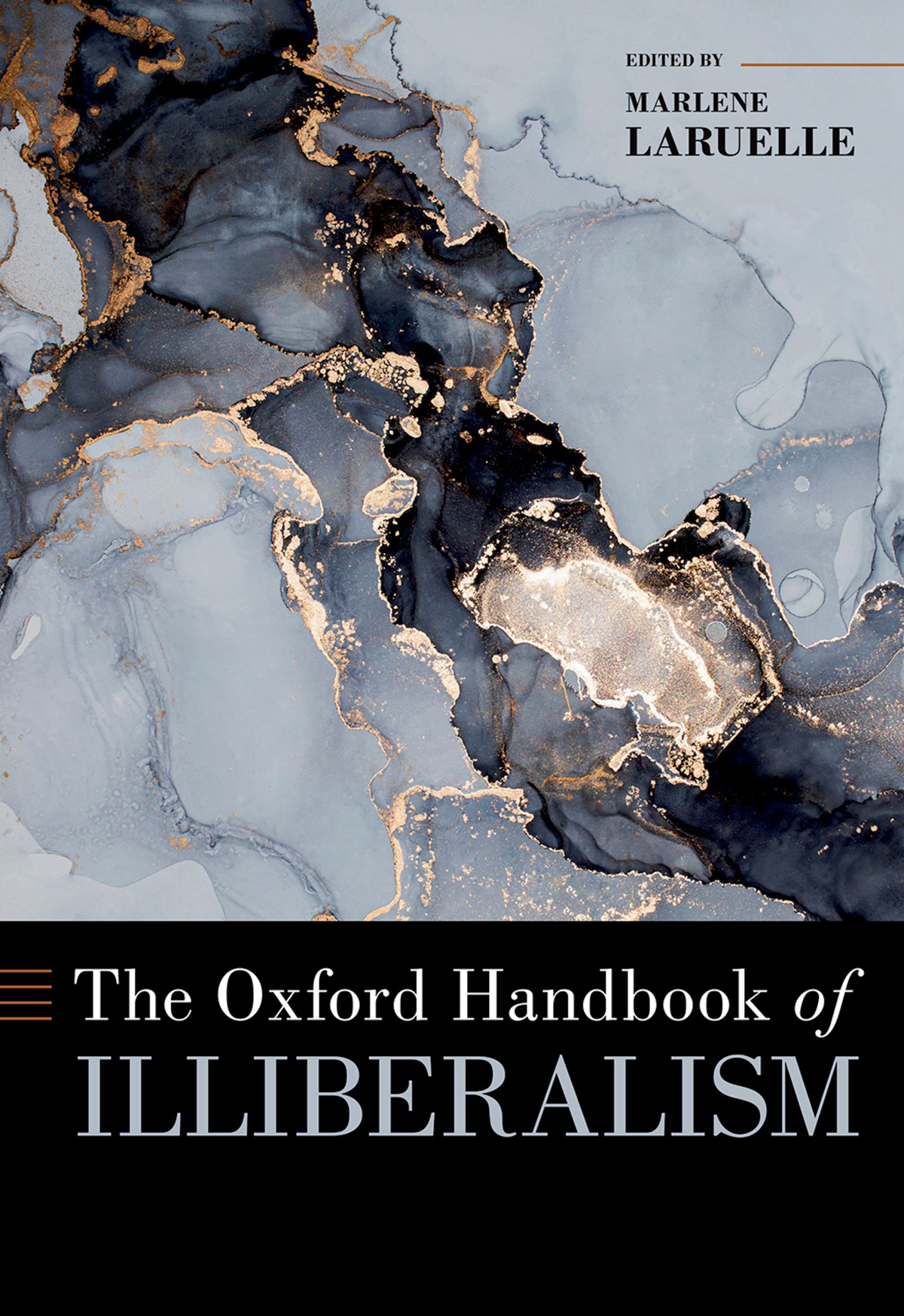
0 reviewsThe Oxford Handbook of Illiberalism addresses this gap by establishing a theoretical foundation for the study of illiberalism and showcasing state-of-the-art research on this phenomenon in its varied scripts-political, economic, cultural, geopolitical, and civilizational. To do so, the Handbook is organized in eight parts. The first develops the concept of illiberalism by delineating it from other "isms," such as conservatism and authoritarianism. The second highlights the historical and contemporary entanglements between illiberalism and liberalism. The third explores how illiberalism intersects with various political and social identities, such as religion and gender. The fourth examines the political economy of illiberalism. The fifth unpacks the presence of illiberalism in regimes and countries around the world, including Brazil, China, Hungary, India, Poland, Russia, South Africa, and Turkey. The sixth identifies how illiberalism manifests in international relations. The seventh analyzes grassroots expressions of illiberalism. And the eighth probes the theoretical foundations of illiberal thought, linking it to conservatism, postliberalism, and religious doctrines.
Bringing together the expertise of dozens of scholars, The Oxford Handbook of Illiberalism offers a thorough overview that characterizes the current state of the field and charts a path forward for future scholarship on this critical and quickly developing concept.