logo

EbookBell.com

Most ebook files are in PDF format, so you can easily read them using various software such as Foxit Reader or directly on the Google Chrome browser.
Some ebook files are released by publishers in other formats such as .awz, .mobi, .epub, .fb2, etc. You may need to install specific software to read these formats on mobile/PC, such as Calibre.

Please read the tutorial at this link:  https://ebookbell.com/faq 


We offer FREE conversion to the popular formats you request; however, this may take some time. Therefore, right after payment, please email us, and we will try to provide the service as quickly as possible.


For some exceptional file formats or broken links (if any), please refrain from opening any disputes. Instead, email us first, and we will try to assist within a maximum of 6 hours.

EbookBell Team
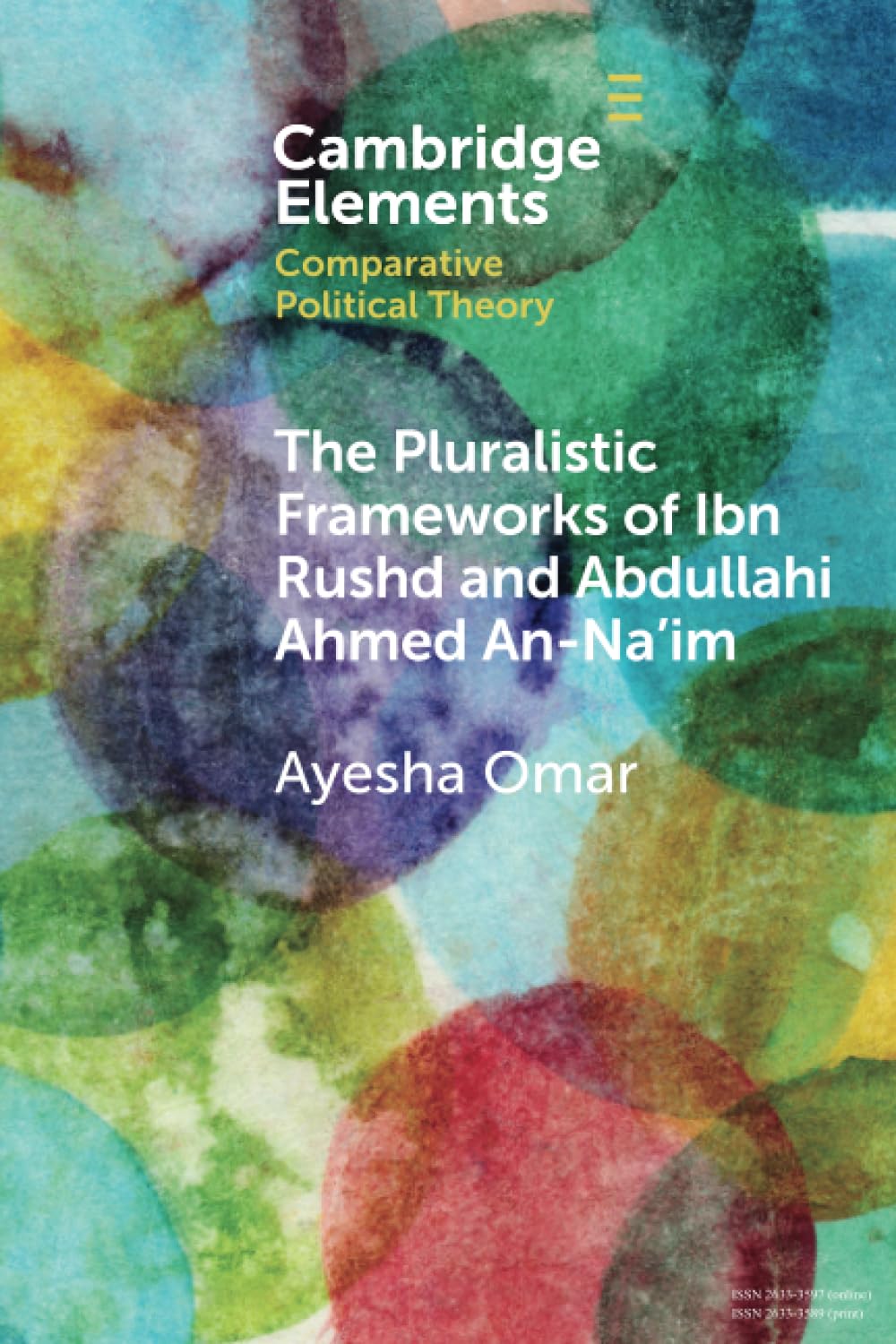
The Pluralistic Frameworks Of Ibn Rushd And Abdullahi Ahmed Annaim Ayesha Omar

  • SKU: BELL-238595078
The Pluralistic Frameworks Of Ibn Rushd And Abdullahi Ahmed Annaim Ayesha Omar
$ 35.00 $ 45.00 (-22%)

5.0

50 reviews

The Pluralistic Frameworks Of Ibn Rushd And Abdullahi Ahmed Annaim Ayesha Omar instant download after payment.

Publisher: Cambridge University Press
File Extension: PDF
File size: 19.21 MB
Pages: 84
Author: Ayesha Omar
ISBN: 9781009386326, 9781009386333, 1009386328, 1009386336, 97810095173, 101017/9781009386
Language: English
Year: 2025

Product desciption

The Pluralistic Frameworks Of Ibn Rushd And Abdullahi Ahmed Annaim Ayesha Omar by Ayesha Omar 9781009386326, 9781009386333, 1009386328, 1009386336, 97810095173, 101017/9781009386 instant download after payment.

The purpose of this Element is to analyse the assiduous attempts of two Islamic political thinkers-the 12th century Andalusian philosopher Ibn Rushd and the contemporary Sudanese reformist Abdullahi Ahmed An-Na'im-to theorise Islamic politics through an approach the author refers to as 'pluralistic frameworks'. A pluralistic framework, is a systematic mediation of Islamic ethics and politics that incorporates extra-Islamic traditions of thought from diverse sources. Pluralistic frameworks selectively and self-consciously enable dialogue, synthesis, and hybridity and seek to maintain a distinct conception of Islamic ethics that concords with a preferred set of political arguments. They enable reflexivity within the ethical purview of Islam and with an awareness of the normativity of sharī'a.Both Ibn Rushd and An-Na'im reconcile sharī'a in two very different ways, but to a common end; Ibn Rushd lays out a method of harmonisation with Greek thought, while An-Na'im resorts to the radical subversion of sharia under liberal thought.

Related Products