logo

EbookBell.com

Most ebook files are in PDF format, so you can easily read them using various software such as Foxit Reader or directly on the Google Chrome browser.
Some ebook files are released by publishers in other formats such as .awz, .mobi, .epub, .fb2, etc. You may need to install specific software to read these formats on mobile/PC, such as Calibre.

Please read the tutorial at this link:  https://ebookbell.com/faq 


We offer FREE conversion to the popular formats you request; however, this may take some time. Therefore, right after payment, please email us, and we will try to provide the service as quickly as possible.


For some exceptional file formats or broken links (if any), please refrain from opening any disputes. Instead, email us first, and we will try to assist within a maximum of 6 hours.

EbookBell Team
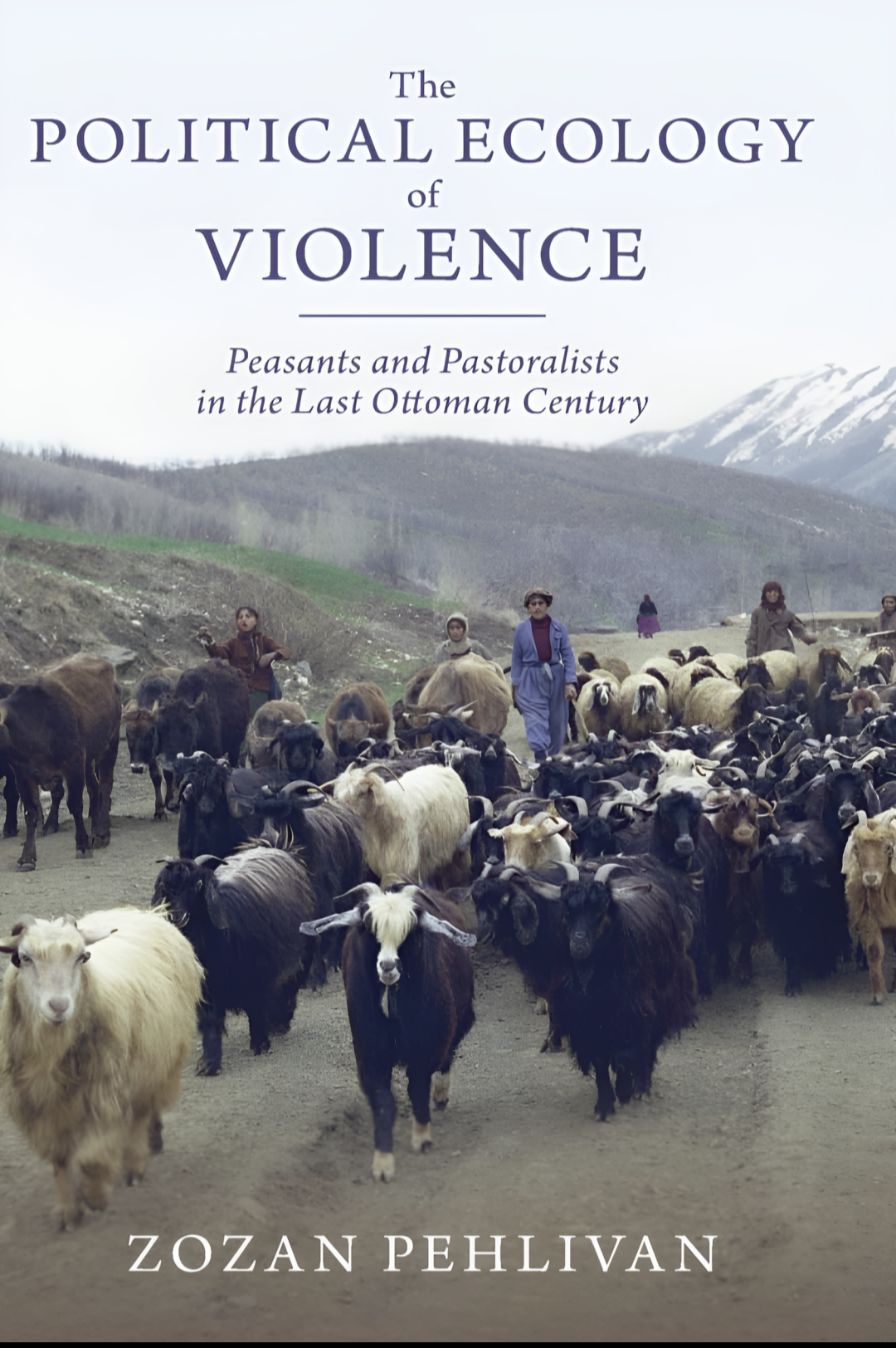
The Political Ecology Of Violence Peasants And Pastoralists In The Last Ottoman Century Zozan Pehlivan

  • SKU: BELL-237041488
The Political Ecology Of Violence Peasants And Pastoralists In The Last Ottoman Century Zozan Pehlivan
$ 35.00 $ 45.00 (-22%)

4.1

50 reviews

The Political Ecology Of Violence Peasants And Pastoralists In The Last Ottoman Century Zozan Pehlivan instant download after payment.

Publisher: Cambridge University Press
File Extension: PDF
File size: 28.62 MB
Pages: 340
Author: Zozan Pehlivan
ISBN: 9781009534994, 9781009535007, 9781009535021, 9781009535014, 1009535013, 1009534998, 1009535005, 1009535021
Language: English
Year: 2024

Product desciption

The Political Ecology Of Violence Peasants And Pastoralists In The Last Ottoman Century Zozan Pehlivan by Zozan Pehlivan 9781009534994, 9781009535007, 9781009535021, 9781009535014, 1009535013, 1009534998, 1009535005, 1009535021 instant download after payment.

In this innovative, interdisciplinary work, Zozan Pehlivan presents a new environmental perspective on intercommunal conflict, rooting slow violence in socioeconomic shifts and climatic fluctuations. From the nineteenth to the early twentieth centuries, recurrent and extreme climate disruptions became an underlying yet unacknowledged component of escalating conflict between Christian Armenian peasants and Muslim Kurdish pastoralists in Ottoman Kurdistan. By the eve of the First World War, the Ottoman state's shifting responses to these mounting tensions transformed the conflict into organized and state-sponsored violence. Pehlivan upends the 'desert-sown' thesis and establishes a new theoretical and conceptual framework drawing on climate science, agronomy, and zoology. From this alternative vantage point, Pehlivan examines the impact of climate on local communities, their responses and resilience strategies, arguing that nineteenth-century ecological change had a transformative and antagonistic impact on economy, state, and society.

‘In this pathbreaking and theoretically rich study, Zozan Pehlivan establishes a new benchmark in the historiography of the late Ottoman Empire and Kurdistan. The book transforms our understanding of the relationship between Kurdistan’s peoples and its geography, flora, fauna, and climate. Innovatively combining extensive archival material with data from climatology, dendrochronology, and veterinary science, Pehlivan demonstrates how climate change disrupted herding and agrarian economies and eventually transformed inter-communal relationships between pastoralists and peasants and triggered violence. This book is a must-read for anyone interested in global environmental studies, the late Ottoman Empire, and the histories of Kurdish and Armenian communities.’

Sabri Ates - Southern Methodist University

Zozan Pehlivan is Assistant Professor of History at the University of Minnesota–Twin Cities.