Most ebook files are in PDF format, so you can easily read them using various software such as Foxit Reader or directly on the Google Chrome browser.
Some ebook files are released by publishers in other formats such as .awz, .mobi, .epub, .fb2, etc. You may need to install specific software to read these formats on mobile/PC, such as Calibre.
Please read the tutorial at this link: https://ebookbell.com/faq
We offer FREE conversion to the popular formats you request; however, this may take some time. Therefore, right after payment, please email us, and we will try to provide the service as quickly as possible.
For some exceptional file formats or broken links (if any), please refrain from opening any disputes. Instead, email us first, and we will try to assist within a maximum of 6 hours.
EbookBell Team
5.0
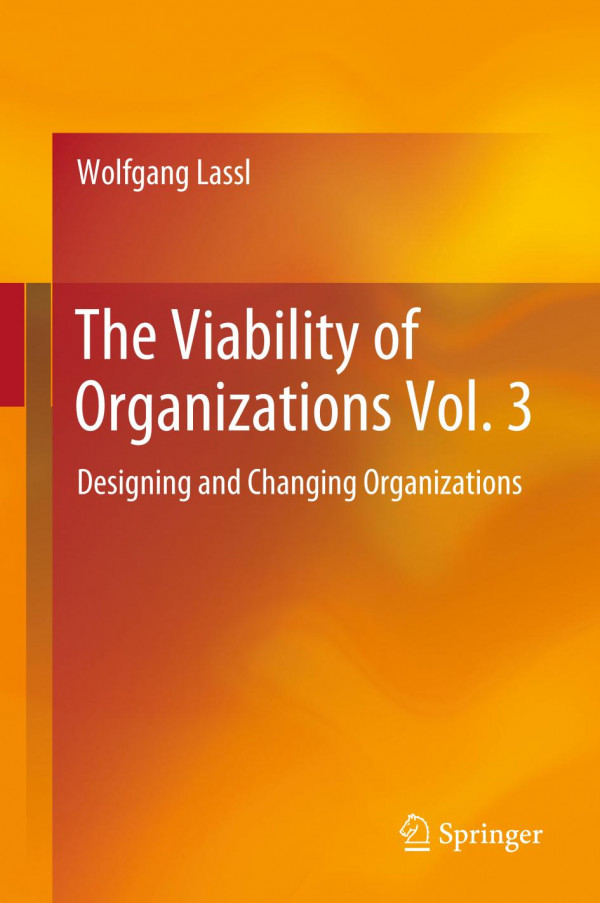
60 reviewsThe design process for organizational structures sometimes resembles a random walk, especially when it is embedded in an arena of competing personal interests and power games. Many organizations still lack clear guidance and are therefore seeking a rigorous, nuanced, and impartial methodology for the design and development of their organizational structures, processes and behavioral repertoire. The Viable System Model (VSM) can help: by identifying the essential design principles and parameters that need to be considered, and which can be used to enhance an organization’s effectiveness, adaptability, cohesion and overall viability.
This book, the third volume in a set of three, connects the VSM to the world of the standard organizational chart. It offers readers a new perspective on corporate functions and their contributions to the organization as a whole. Further, it shows them how the VSM can be used to develop viable organizational structures, following a detailed step-by-step approach. Lastly, it explains the vital processes, behaviors, and attitudes that need to be developed in order to make organizations truly viable.
Readers will find solutions to, and guidelines on, many critical organizational design issues, e.g. designing job profiles; correctly mapping synergistically (“centrally”) operating units in the organizational chart; outsourcing processes; and handling matrix situations; as well as designing and implementing organizational change processes.