logo

EbookBell.com

Most ebook files are in PDF format, so you can easily read them using various software such as Foxit Reader or directly on the Google Chrome browser.
Some ebook files are released by publishers in other formats such as .awz, .mobi, .epub, .fb2, etc. You may need to install specific software to read these formats on mobile/PC, such as Calibre.

Please read the tutorial at this link:  https://ebookbell.com/faq 


We offer FREE conversion to the popular formats you request; however, this may take some time. Therefore, right after payment, please email us, and we will try to provide the service as quickly as possible.


For some exceptional file formats or broken links (if any), please refrain from opening any disputes. Instead, email us first, and we will try to assist within a maximum of 6 hours.

EbookBell Team
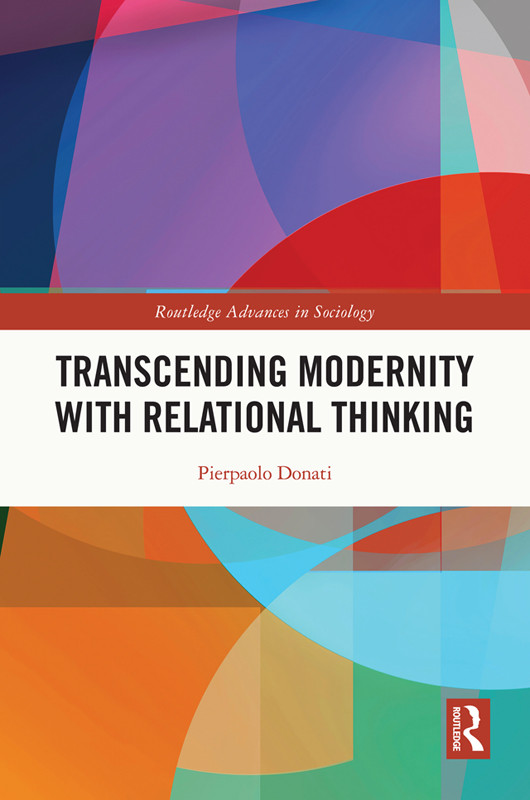
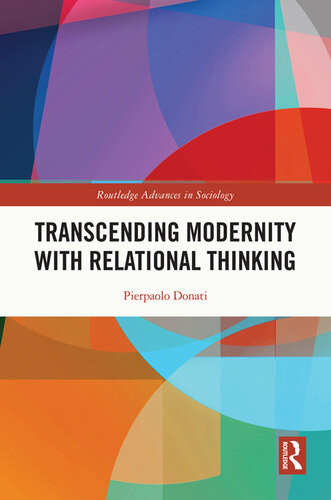
Transcending Modernity With Relational Thinking Pierpaolo Donati

  • SKU: BELL-237386404
Transcending Modernity With Relational Thinking Pierpaolo Donati
$ 35.00 $ 45.00 (-22%)

4.0

6 reviews

Transcending Modernity With Relational Thinking Pierpaolo Donati instant download after payment.

Publisher: Routledge
File Extension: EPUB
File size: 2.85 MB
Author: Pierpaolo Donati
Language: English
Year: 2021

Product desciption

Transcending Modernity With Relational Thinking Pierpaolo Donati by Pierpaolo Donati instant download after payment.

This book explores the ways in which social relations are profoundly changing modern society, arguing that, constituting a reality of their own, social relations will ultimately lead to a new form of society: an after-modern or relational society. Drawing on the thought of Simmel, it extends the idea that society consists essentially of social relations, in order to make sense of the operation of dichotomous forces in society and to examine the emergence of a ‘third’ in the morphogenetic processes. Through a realist and critical relational sociology, which allows for the fact that human beings are both internal and external to social relations, and therefore to society, the author shows how we are moving towards a new, trans-modern society - one that calls into question the guiding ideas of western modernity, such as the notion of linear progression, that science and technology are the decisive factors of human development, and that culture can entirely supplant nature. As such, it will appeal to sociologists, social theorists, economists, political scientists and social philosophers with interests in relational thought, critical realism and social transformation.