logo

EbookBell.com

Most ebook files are in PDF format, so you can easily read them using various software such as Foxit Reader or directly on the Google Chrome browser.
Some ebook files are released by publishers in other formats such as .awz, .mobi, .epub, .fb2, etc. You may need to install specific software to read these formats on mobile/PC, such as Calibre.

Please read the tutorial at this link:  https://ebookbell.com/faq 


We offer FREE conversion to the popular formats you request; however, this may take some time. Therefore, right after payment, please email us, and we will try to provide the service as quickly as possible.


For some exceptional file formats or broken links (if any), please refrain from opening any disputes. Instead, email us first, and we will try to assist within a maximum of 6 hours.

EbookBell Team
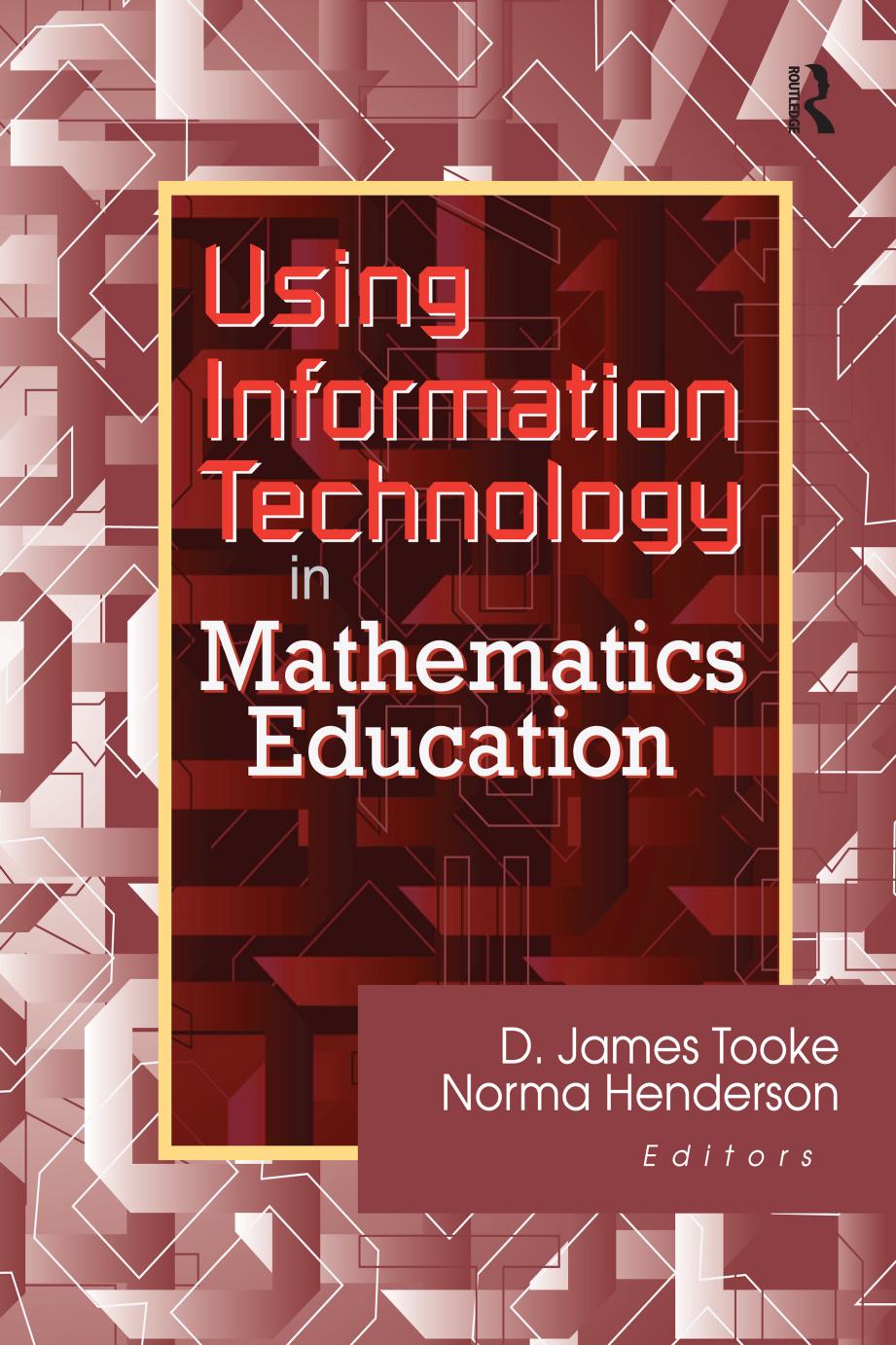
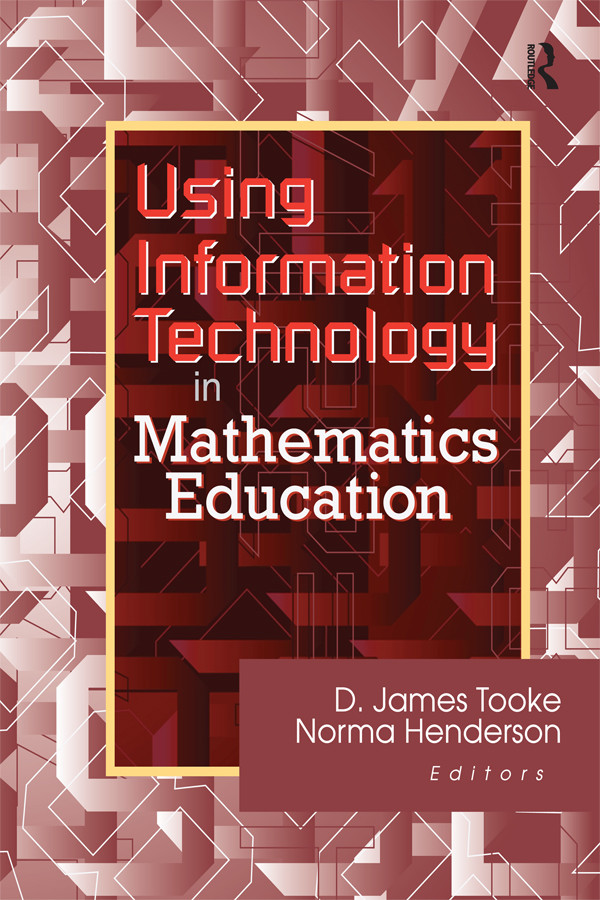
Using Information Technology In Mathematics Education D James Tooke Norma Henderson

  • SKU: BELL-237392670
Using Information Technology In Mathematics Education D James Tooke Norma Henderson
$ 35.00 $ 45.00 (-22%)

4.4

42 reviews

Using Information Technology In Mathematics Education D James Tooke Norma Henderson instant download after payment.

Publisher: CRC Press
File Extension: PDF
File size: 197.65 MB
Pages: 200
Author: D. James Tooke & Norma Henderson
ISBN: 9781003573159, 9780789013767, 9780789013750, 1003573150, 0789013762, 0789013754
Language: English
Year: 2001

Product desciption

Using Information Technology In Mathematics Education D James Tooke Norma Henderson by D. James Tooke & Norma Henderson 9781003573159, 9780789013767, 9780789013750, 1003573150, 0789013762, 0789013754 instant download after payment.

Computers have changed the ways that mathematics are taught and learned. Is your institution taking advantage of what today’s technology offers? With contributions from researchers and practitioners alike, Using Information Technology in Mathematics Education explores the impact of the computer on the curriculum, the teaching and learning of mathematics, and the professional development of teachers, both pre-service and in-service. As editor James Tooke states: “The connection between mathematics and the computer is obvious. Elementary notions of mathematics gave rise to the computer; advanced notions gave it a more powerful state. As the computer advanced, it expanded mathematics, allowing the creation of further branches of the field; for instance, fractal geometry had no reality until the advent of high-speed computers.” In its look at the relationship between mathematics, the computer, and mathematics education, Using Information Technology in Mathematics Education: addresses the computer as a vehicle for teaching calculus at Texas A&M includes reports from several programs that have utilized the computer when teaching mathematics at lower levels of content than calculus such as intermediate algebra and geometry examines the computer’s role in student learning probability discusses the use of computers in the professional development of teachers explores ways to use computers to reduce mathematics anxiety Using Information Technology in Mathematics Education examines the history and impact of computers in mathematics and mathematics education--from the early, crude computer-assisted instruction efforts through LOGO software for elementary schools, through MAPLE for the university, to the Web-based calculus courses now being offered by outstanding universities. Use it to facilitate learning and teacher growth in your institution!