logo

EbookBell.com

Most ebook files are in PDF format, so you can easily read them using various software such as Foxit Reader or directly on the Google Chrome browser.
Some ebook files are released by publishers in other formats such as .awz, .mobi, .epub, .fb2, etc. You may need to install specific software to read these formats on mobile/PC, such as Calibre.

Please read the tutorial at this link:  https://ebookbell.com/faq 


We offer FREE conversion to the popular formats you request; however, this may take some time. Therefore, right after payment, please email us, and we will try to provide the service as quickly as possible.


For some exceptional file formats or broken links (if any), please refrain from opening any disputes. Instead, email us first, and we will try to assist within a maximum of 6 hours.

EbookBell Team
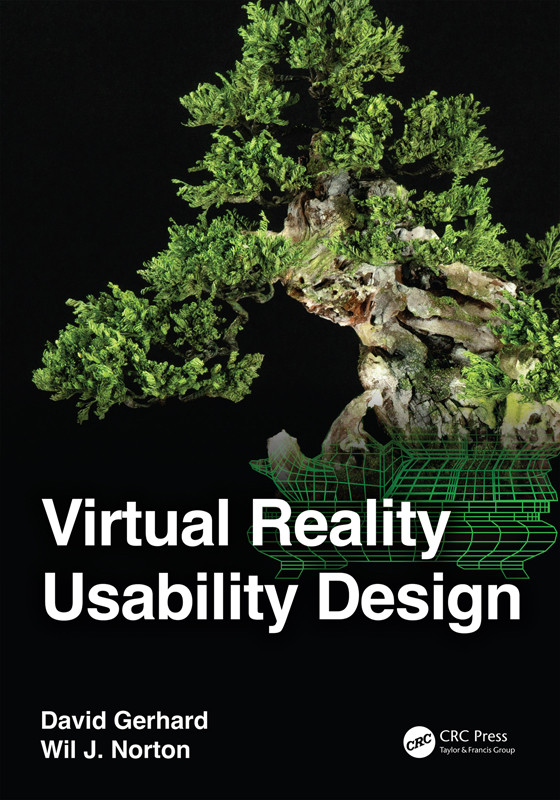
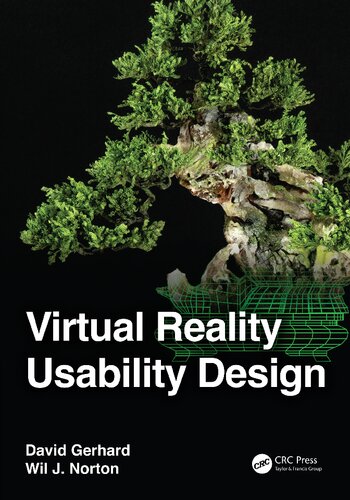
Virtual Reality Usability Design Gerhard David Norton Wil J

  • SKU: BELL-237327666
Virtual Reality Usability Design Gerhard David Norton Wil J
$ 35.00 $ 45.00 (-22%)

4.3

38 reviews

Virtual Reality Usability Design Gerhard David Norton Wil J instant download after payment.

Publisher: CRC Press
File Extension: EPUB
File size: 9.3 MB
Author: Gerhard, David & Norton, Wil J.
Language: English
Year: 2022

Product desciption

Virtual Reality Usability Design Gerhard David Norton Wil J by Gerhard, David & Norton, Wil J. instant download after payment.

The development of effective and usable software for spatial computing platforms like virtual reality (VR) requires an understanding of how these devices create new possibilities (and new perils) when it comes to interactions between humans and computers. Virtual Reality Usability Design provides readers with an understanding of the techniques and technologies required to design engaging and effective VR applications. The book covers both the mechanics of how human senses and the mind experience immersive virtual environments, as well as how to leverage these mechanics to create human-focused virtual experiences. Deeply rooted in principles of human perception and computational interaction, the current and future limitations of these replacements are also considered. Full of real-world examples, this book is an indispensable guide for any practising VR developer interested in making efficient and effective interfaces. Meanwhile, explorations of concrete theory in its practical application will be useful for VR students and researchers alike.