Most ebook files are in PDF format, so you can easily read them using various software such as Foxit Reader or directly on the Google Chrome browser.
Some ebook files are released by publishers in other formats such as .awz, .mobi, .epub, .fb2, etc. You may need to install specific software to read these formats on mobile/PC, such as Calibre.
Please read the tutorial at this link: https://ebookbell.com/faq
We offer FREE conversion to the popular formats you request; however, this may take some time. Therefore, right after payment, please email us, and we will try to provide the service as quickly as possible.
For some exceptional file formats or broken links (if any), please refrain from opening any disputes. Instead, email us first, and we will try to assist within a maximum of 6 hours.
EbookBell Team
4.0
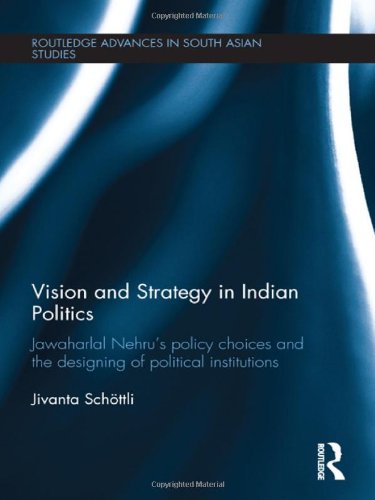
6 reviewsThe 1950s in India were a crucial transition phase where the legacy and institutions of British rule had to be transformed to fit the needs of a post-colonial state. This period is closely associated with India’s first Prime Minister, Jawaharlal Nehru (1947 – 64). Selecting three key policies closely associated with him, the book traces the political origins of the Panchasheela Agreement with China in 1954, the Hindu Code Bills of 1955 and 1956 and the founding of the Planning Commission in 1950. Each provides a window into the compulsions of Indian domestic politics at the time as well as the parameters of parliamentary debate.
The book goes on to discuss how these policies correspond to the pillars of Nehru’s vision for a modern, independent India that encapsulated socialism, nonalignment and secularism and assesses their long-run impact in Indian politics. With a growing recognition of the resilience of India’s political arrangements, the analysis is particularly relevant to those interested in the politics of transition and modernisation, and contributes to studies on Political Institutions and South Asian Politics.