Most ebook files are in PDF format, so you can easily read them using various software such as Foxit Reader or directly on the Google Chrome browser.
Some ebook files are released by publishers in other formats such as .awz, .mobi, .epub, .fb2, etc. You may need to install specific software to read these formats on mobile/PC, such as Calibre.
Please read the tutorial at this link: https://ebookbell.com/faq
We offer FREE conversion to the popular formats you request; however, this may take some time. Therefore, right after payment, please email us, and we will try to provide the service as quickly as possible.
For some exceptional file formats or broken links (if any), please refrain from opening any disputes. Instead, email us first, and we will try to assist within a maximum of 6 hours.
EbookBell Team
4.0
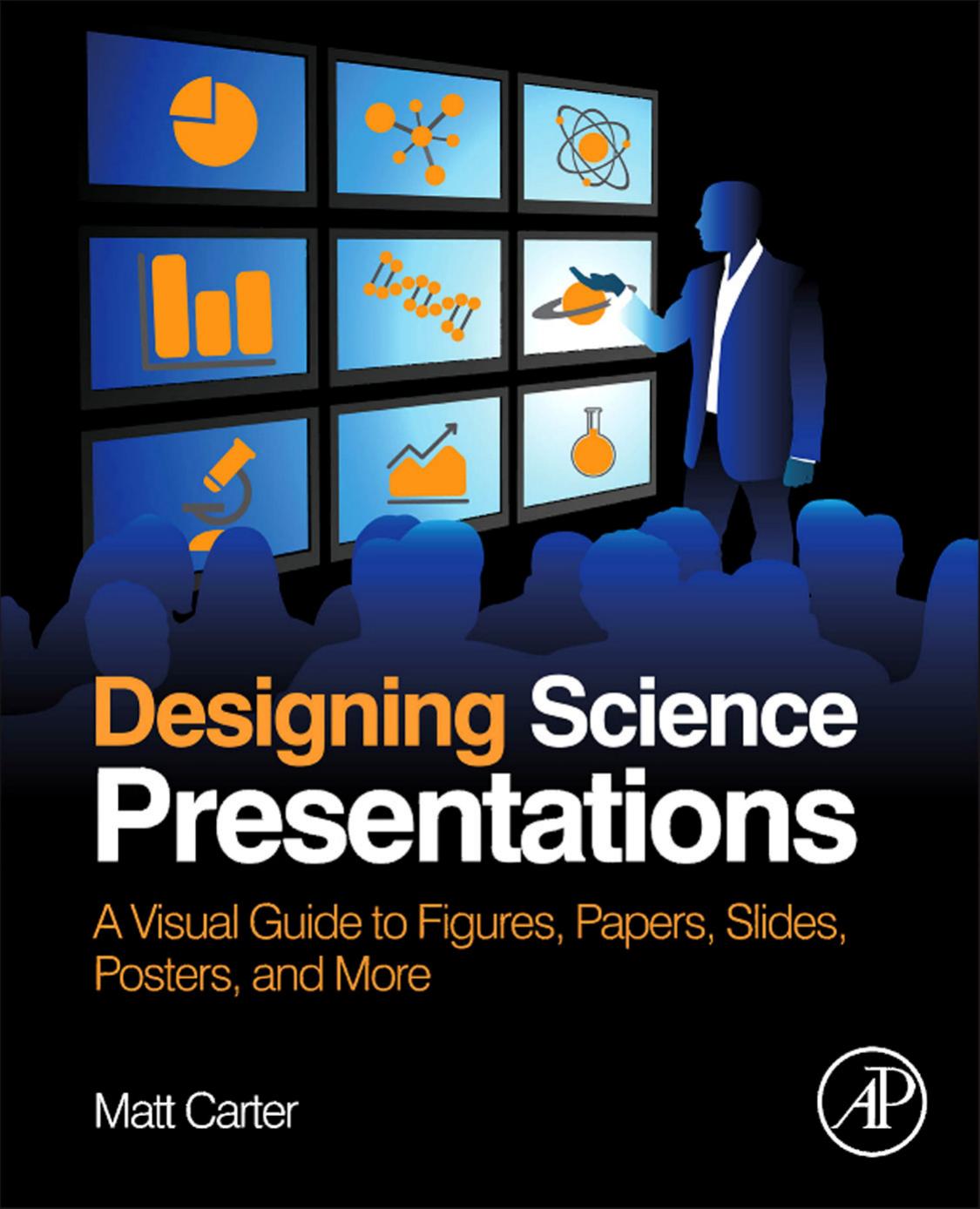
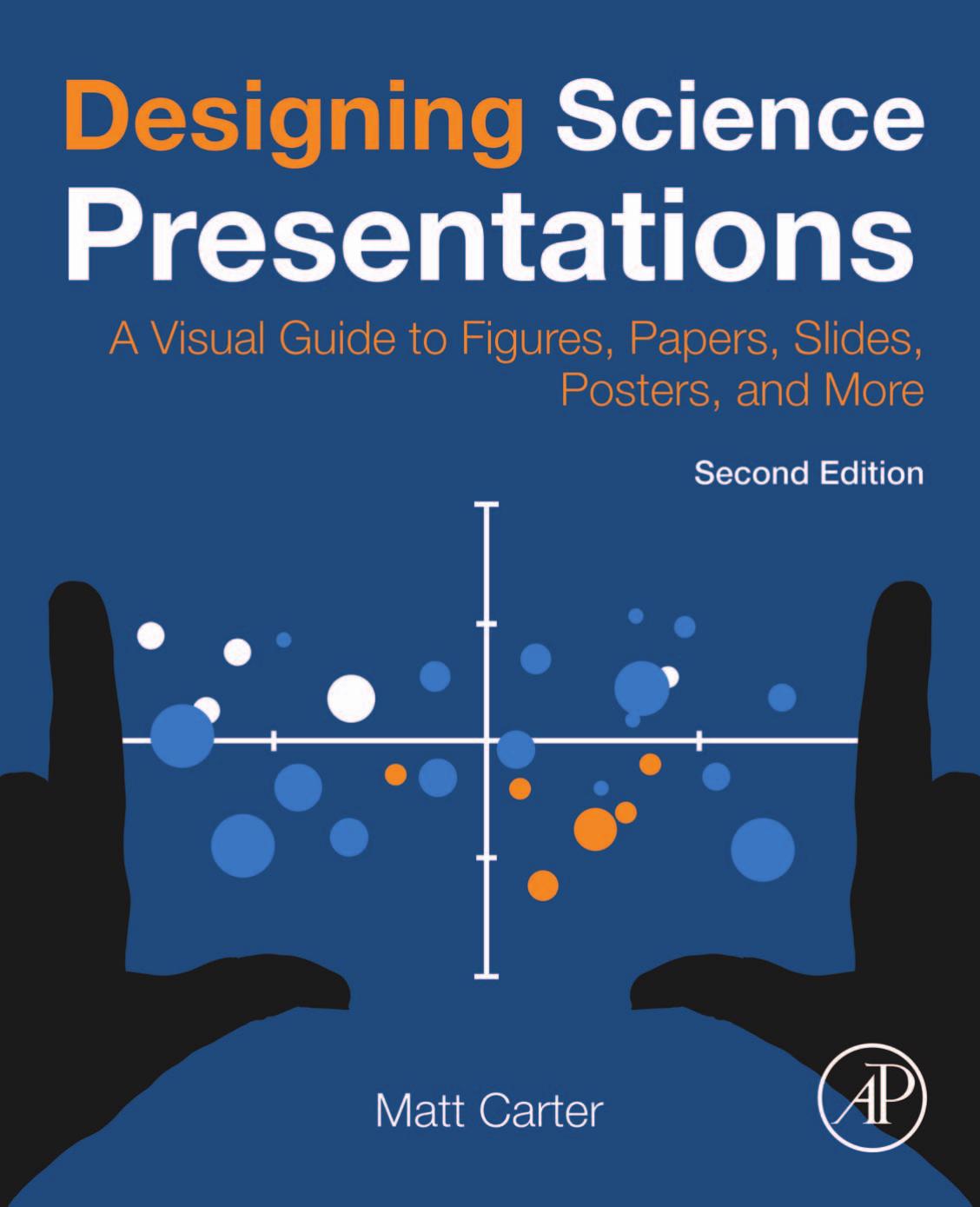
96 reviewsDesigning Science Presentations: A Visual Guide to Figures, Papers, Slides, Posters, and More, Second Edition, guides scientists of any discipline in the design of compelling science communication. Most scientists never receive formal training in the design, delivery and evaluation of scientific communication, yet these skills are essential for publishing in high-quality journals, soliciting funding, attracting lab personnel, and advancing a career. This clear, readable volume fills that gap, providing visually intensive guidance at every step-from the construction of original figures to the presentation and delivery of those figures in papers, slideshows, posters and websites. The book provides pragmatic advice on the preparation and delivery of exceptional scientific presentations and demonstrates hundreds of visually striking presentation techniques. Features clear headings for each section, indicating its message with graphic illustrationsProvides clear and concise explanations of design principles traditionally taught in design or visualization coursesIncludes examples of high-quality figures, page layouts, slides, posters and webpages to aid readers in creating their own presentationsIncludes numerous "before and after" examples to illustrate the contrast between poor and outstanding presentations