logo

EbookBell.com

Most ebook files are in PDF format, so you can easily read them using various software such as Foxit Reader or directly on the Google Chrome browser.
Some ebook files are released by publishers in other formats such as .awz, .mobi, .epub, .fb2, etc. You may need to install specific software to read these formats on mobile/PC, such as Calibre.

Please read the tutorial at this link:  https://ebookbell.com/faq 


We offer FREE conversion to the popular formats you request; however, this may take some time. Therefore, right after payment, please email us, and we will try to provide the service as quickly as possible.


For some exceptional file formats or broken links (if any), please refrain from opening any disputes. Instead, email us first, and we will try to assist within a maximum of 6 hours.

EbookBell Team
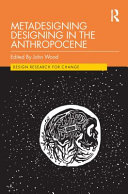
Metadesigning Designing In The Anthropocene 1 John Wood

  • SKU: BELL-53600060
Metadesigning Designing In The Anthropocene 1 John Wood
$ 35.00 $ 45.00 (-22%)

0.0

0 reviews

Metadesigning Designing In The Anthropocene 1 John Wood instant download after payment.

Publisher: Routledge
File Extension: PDF
File size: 21.95 MB
Pages: 238
Author: John Wood
ISBN: 9781032067520, 9781003205371, 9781000590999, 9781000591019, 1032067527, 1003205372, 1000590992, 1000591018
Language: English
Year: 2022
Edition: 1

Product desciption

Metadesigning Designing In The Anthropocene 1 John Wood by John Wood 9781032067520, 9781003205371, 9781000590999, 9781000591019, 1032067527, 1003205372, 1000590992, 1000591018 instant download after payment.

Long-sighted, radical and provocative, this book offers a foundational framework of concepts, principles, methods (exemplified with selected tools) to enable metadesigners to manage and re-invent their practices. The book reminds readers that designers are, albeit unwittingly, helping to shape the Anthropocene. Despite their willingness to deliver greener products and services designers find themselves part of an industry that has become the go-to catalyst for dividends and profit. If our species is to achieve the rehabilitation and metamorphosis we may need to design at the level of paradigms, genres, lifestyles and currencies. This would mean making design more integrated, comprehensive, adaptive, transdisciplinary, self-reflexive and relational. The book therefore advocates a shift of emphasis from designing 'sustainable' products, services and systems and towards the cultivation of synergies that will induce regenerative lifestyles. The book will be of interest to managers, designers, scholars and educators from a wide range of backgrounds including design research, design history, design studies and environmental studies.

Related Products