Most ebook files are in PDF format, so you can easily read them using various software such as Foxit Reader or directly on the Google Chrome browser.
Some ebook files are released by publishers in other formats such as .awz, .mobi, .epub, .fb2, etc. You may need to install specific software to read these formats on mobile/PC, such as Calibre.
Please read the tutorial at this link: https://ebookbell.com/faq
We offer FREE conversion to the popular formats you request; however, this may take some time. Therefore, right after payment, please email us, and we will try to provide the service as quickly as possible.
For some exceptional file formats or broken links (if any), please refrain from opening any disputes. Instead, email us first, and we will try to assist within a maximum of 6 hours.
EbookBell Team

4.7
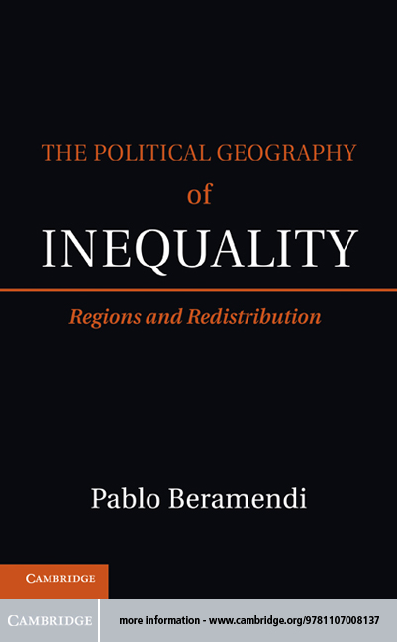
96 reviewsThis book traces regional income inequality in Spain during the transition from a pre-industrial society to a modern economy, using the Spanish case to shed further light on the challenges that emerging economies are facing today. Regional inequality is currently one of the most pressing problems in the European Union, and this text presents a novel dataset covering 150 years to analyse long-run trends in regional per capita GDP.
Spatial clustering and a new economic geography approach also contribute to the historical analysis provided, which points to the role played by spatial externalities and their growing relevance over time. To identify the presence of spatial dependence is crucial, not only for getting a better understanding of distribution dynamics, but also for economic policy purposes.
What are the potential causes behind the disparities in regional per capita income and productivity? The authors answer this by comparing results with evidence available for other countries, chiefly France, Italy and Portugal, but is of global relevance.