Most ebook files are in PDF format, so you can easily read them using various software such as Foxit Reader or directly on the Google Chrome browser.
Some ebook files are released by publishers in other formats such as .awz, .mobi, .epub, .fb2, etc. You may need to install specific software to read these formats on mobile/PC, such as Calibre.
Please read the tutorial at this link: https://ebookbell.com/faq
We offer FREE conversion to the popular formats you request; however, this may take some time. Therefore, right after payment, please email us, and we will try to provide the service as quickly as possible.
For some exceptional file formats or broken links (if any), please refrain from opening any disputes. Instead, email us first, and we will try to assist within a maximum of 6 hours.
EbookBell Team
4.3
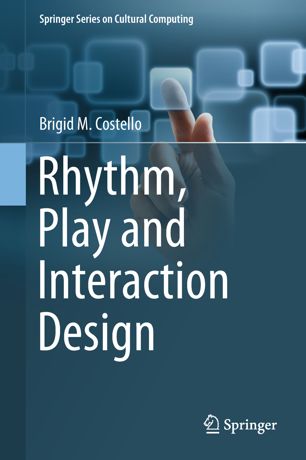
48 reviewsThere are rhythms of action and response to all human-computer interactions. As we click, swipe, tap and sway to their beats, these rhythms intersect with the rhythms of our everyday lives. Perhaps they synchronize, perhaps they disrupt each other or maybe they dance together. Whatever their impact our experience of these rhythms will colour our experience of an interaction design. In playful interactive applications, rhythm is especially crucial because of the role it performs in building and maintaining the precarious spirit of play. Play involves movement and this movement has a rhythm that drives the experience. But what is the character of these rhythms of play and how can they be used in the design of interactive applications? These questions are the focus of this book.
Drawing on traditions of rhythmic design practice in dance, performance, music and architecture, this book reveals key insights into practical strategies for designing playful rhythmic experience. With playful experiences now being incorporated into almost every type of computer application, interaction design practitioners and researchers need to develop a deeper understanding of the specific character of rhythms within play.Written from a designer's perspective, with interviews from leading creative artists and interaction design practitioners, Rhythm, Play and Interaction Design will help practitioners, researchers and students understand, evaluate and create rhythmic experiences.