logo

EbookBell.com

Most ebook files are in PDF format, so you can easily read them using various software such as Foxit Reader or directly on the Google Chrome browser.
Some ebook files are released by publishers in other formats such as .awz, .mobi, .epub, .fb2, etc. You may need to install specific software to read these formats on mobile/PC, such as Calibre.

Please read the tutorial at this link:  https://ebookbell.com/faq 


We offer FREE conversion to the popular formats you request; however, this may take some time. Therefore, right after payment, please email us, and we will try to provide the service as quickly as possible.


For some exceptional file formats or broken links (if any), please refrain from opening any disputes. Instead, email us first, and we will try to assist within a maximum of 6 hours.

EbookBell Team
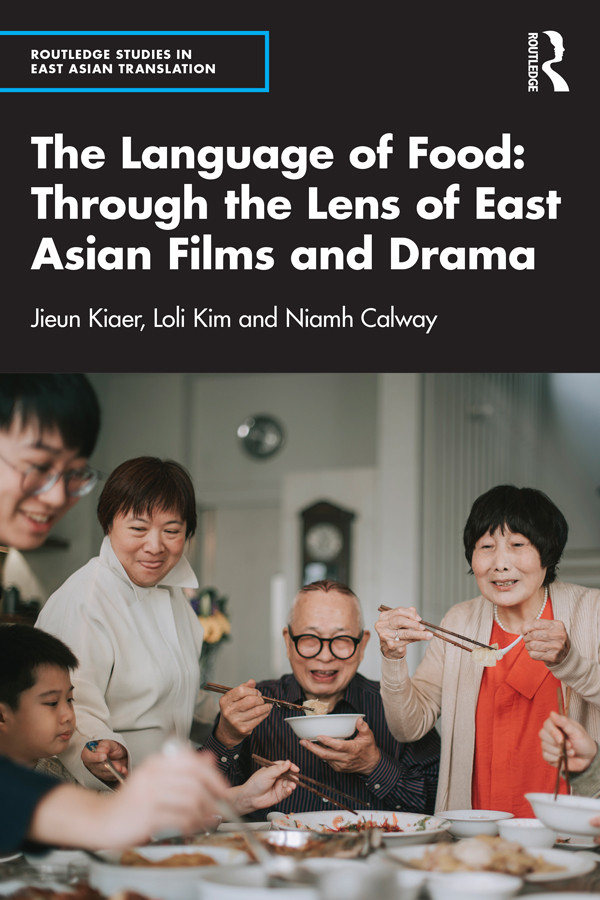
The Language Of Food Through The Lens Of East Asian Films And Drama Jieun Kiaer Loli Kim Niamh Calway

  • SKU: BELL-235066668
The Language Of Food Through The Lens Of East Asian Films And Drama Jieun Kiaer Loli Kim Niamh Calway
$ 35.00 $ 45.00 (-22%)

4.1

40 reviews

The Language Of Food Through The Lens Of East Asian Films And Drama Jieun Kiaer Loli Kim Niamh Calway instant download after payment.

Publisher: Routledge
File Extension: EPUB
File size: 8.74 MB
Author: Jieun Kiaer & Loli Kim & Niamh Calway
Language: English
Year: 2025

Product desciption

The Language Of Food Through The Lens Of East Asian Films And Drama Jieun Kiaer Loli Kim Niamh Calway by Jieun Kiaer & Loli Kim & Niamh Calway instant download after payment.

The Language of Food: Through the Lens of East Asian Films and Drama invites readers into the fascinating world where food culture and language intersect, revealing how each dish communicates beyond mere taste. Through East Asian films and television shows, this book uncovers the rich tapestry of ‘food languages’ embedded within East Asian cultures. Divided into three parts – Base, Ingredients, and Seasoning – this book provides a structured exploration of this phenomenon. The Base section offers philosophical and historical context, while the Ingredients section delves deeper into specific themes, using examples from film and television drama to illustrate the nuanced communication inherent in food culture. Finally, the book is ‘seasoned’ with linguistic insights and a practical food words glossary, aiding readers in navigating the intricate verbal and cultural nuances at play. This illuminating resource goes beyond the realm of food itself, offering a profound understanding of how each dish carries its language, enriching communication and deepening cultural connections. This book will captivate students and researchers of East Asian languages, media studies, film studies, food studies, and Korean Wave studies and anyone intrigued by the intricate relationship between food and language.