logo

EbookBell.com

Most ebook files are in PDF format, so you can easily read them using various software such as Foxit Reader or directly on the Google Chrome browser.
Some ebook files are released by publishers in other formats such as .awz, .mobi, .epub, .fb2, etc. You may need to install specific software to read these formats on mobile/PC, such as Calibre.

Please read the tutorial at this link:  https://ebookbell.com/faq 


We offer FREE conversion to the popular formats you request; however, this may take some time. Therefore, right after payment, please email us, and we will try to provide the service as quickly as possible.


For some exceptional file formats or broken links (if any), please refrain from opening any disputes. Instead, email us first, and we will try to assist within a maximum of 6 hours.

EbookBell Team
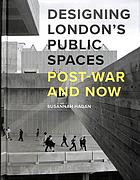
Designing Londons Public Spaces Postwar And Now Hagan Susannah

  • SKU: BELL-10658180
Designing Londons Public Spaces Postwar And Now Hagan Susannah
$ 35.00 $ 45.00 (-22%)

0.0

0 reviews

Designing Londons Public Spaces Postwar And Now Hagan Susannah instant download after payment.

Publisher: Lund Humphries
File Extension: EPUB
File size: 16.04 MB
Pages: 208
Author: Hagan, Susannah
ISBN: 9781848222588, 1848222580
Language: English
Year: 2019

Product desciption

Designing Londons Public Spaces Postwar And Now Hagan Susannah by Hagan, Susannah 9781848222588, 1848222580 instant download after payment.

Those involved in the creation of public spaces think a great deal about the users of those spaces. Users think little, if at all, about those who create them. There are many: planners, developers, investors, contractors, special-interest groups, governments from local to national, and above all in this book, designers. The complex sets of relationships in which the designer is enmeshed remain largely unknown, as does the effect of those relationships on the public spaces they design. 0In "super-diverse" cities like London, a successful public realm, where people can be together in trust and tolerance, is essential. A city's commitment to design quality indicates a commitment to civic health. In the interests of such commitment, the book asks: What should public space `design intentions' be today?; Who is `the public' of public spaces?; What can/should designers do to protect the `publicness' of public spaces?; Was state financed public space mid-20th century of any higher quality than privately financed public space today?; How significant is the shift from commissioning architects to design public spaces mid-20th century to commissioning landscape architects and public realm architects today?; Does emptiness in public spaces have a value?; Does retail in public spaces narrow the range of people visiting them? 

Related Products