logo

EbookBell.com

Most ebook files are in PDF format, so you can easily read them using various software such as Foxit Reader or directly on the Google Chrome browser.
Some ebook files are released by publishers in other formats such as .awz, .mobi, .epub, .fb2, etc. You may need to install specific software to read these formats on mobile/PC, such as Calibre.

Please read the tutorial at this link:  https://ebookbell.com/faq 


We offer FREE conversion to the popular formats you request; however, this may take some time. Therefore, right after payment, please email us, and we will try to provide the service as quickly as possible.


For some exceptional file formats or broken links (if any), please refrain from opening any disputes. Instead, email us first, and we will try to assist within a maximum of 6 hours.

EbookBell Team
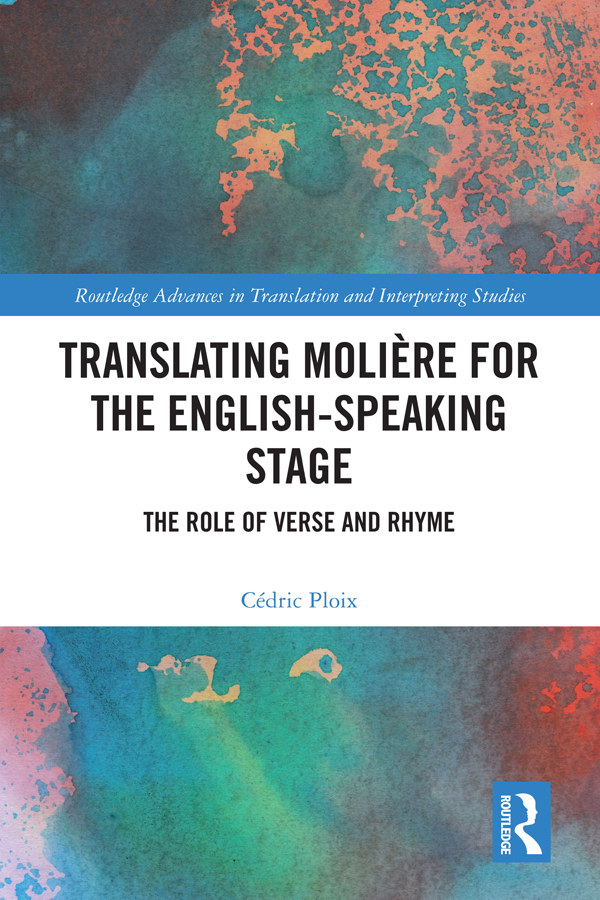
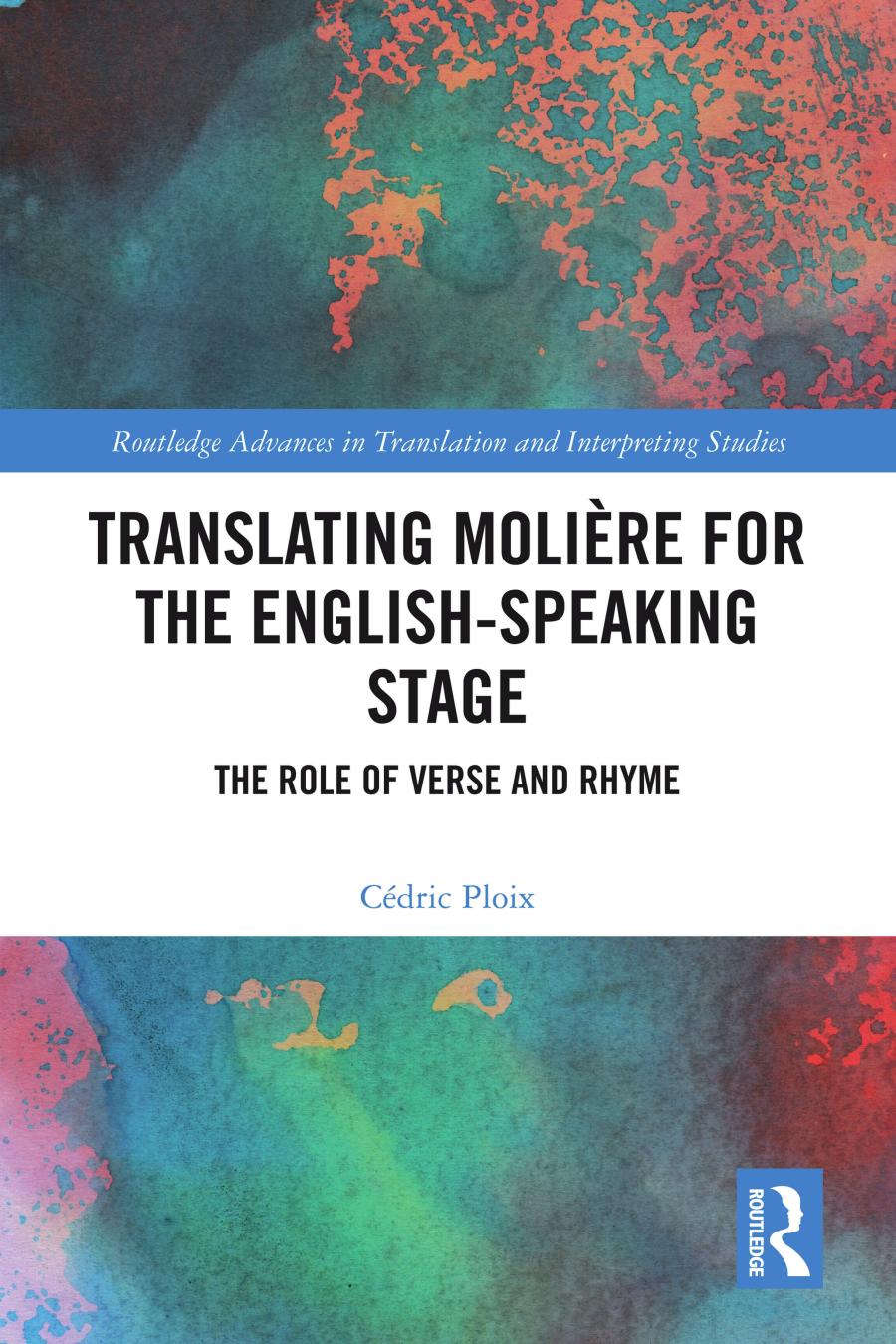
Translating Molière For The Englishspeaking Stage The Role Of Verse And Rhyme Cédric Ploix

  • SKU: BELL-237375812
Translating Molière For The Englishspeaking Stage The Role Of Verse And Rhyme Cédric Ploix
$ 35.00 $ 45.00 (-22%)

4.8

14 reviews

Translating Molière For The Englishspeaking Stage The Role Of Verse And Rhyme Cédric Ploix instant download after payment.

Publisher: Routledge
File Extension: EPUB
File size: 2.3 MB
Author: Cédric Ploix
Language: English
Year: 2020

Product desciption

Translating Molière For The Englishspeaking Stage The Role Of Verse And Rhyme Cédric Ploix by Cédric Ploix instant download after payment.

This book critically analyses the body of English language translations of Molière’s work for the stage, demonstrating the importance of rhyme and verse forms, the creative work of the translator, and the changing relationship with source texts in these translations and their reception. The volume questions prevailing notions about Molière’s legacy on the stage and the prevalence of comedy in his works, pointing to the high volume of English language translations for the stage of his work that have emerged since the 1950s. Adopting a computer-aided method of analysis, Ploix illustrates the role prosody plays in verse translation for the stage more broadly, highlighting the implementation of self-consciously comic rhyme and conspicuous verse forms in translations of Molière’s work by way of example. The book also addresses the question of the interplay between translation and source text in these works and the influence of the stage in overcoming formal infelicities in verse systems that may arise from the process of translation. In so doing, Ploix considers translations as texts in and of themselves in these works and the translator as a more visible, creative agent in shaping the voice of these texts independent of the source material, paving the way for similar methods of analysis to be applied to other canonical playwrights’ work. The book will be of particular interest to students and scholars in translation studies, adaptation studies, and theatre studies.

Related Products